


Last updated on May 13th, 2026 at 09:55 am
Motherhood changes a woman in many ways — not just emotionally, but physically and mentally as well. As life evolves, so do a mother’s priorities, routines, and even the way she views her own health.
For many women, there are different “seasons” of motherhood. There’s the stage where children depend on her for everything, the years when she quietly places herself last to keep the household running, and eventually, the stage where her children begin encouraging her to slow down and prioritize her well-being.
Through every season, one thing remains true: a mother’s health matters just as much as the care she gives to everyone else.
The Early Years: When Mom Puts Everyone First
In the early stages of motherhood, life often revolves around children. Between school runs, work, household responsibilities, and sleepless nights, many mothers barely have time for themselves.
Duties are rushed. Rest becomes limited. Health concerns are often brushed aside with thoughts like, “I’ll deal with it later.”
Unfortunately, “later” often comes with a cost. Signs are overlooked until they become harder to ignore. Because of this, preventive care is commonly delayed because many mothers prioritize the needs of their families before their own.
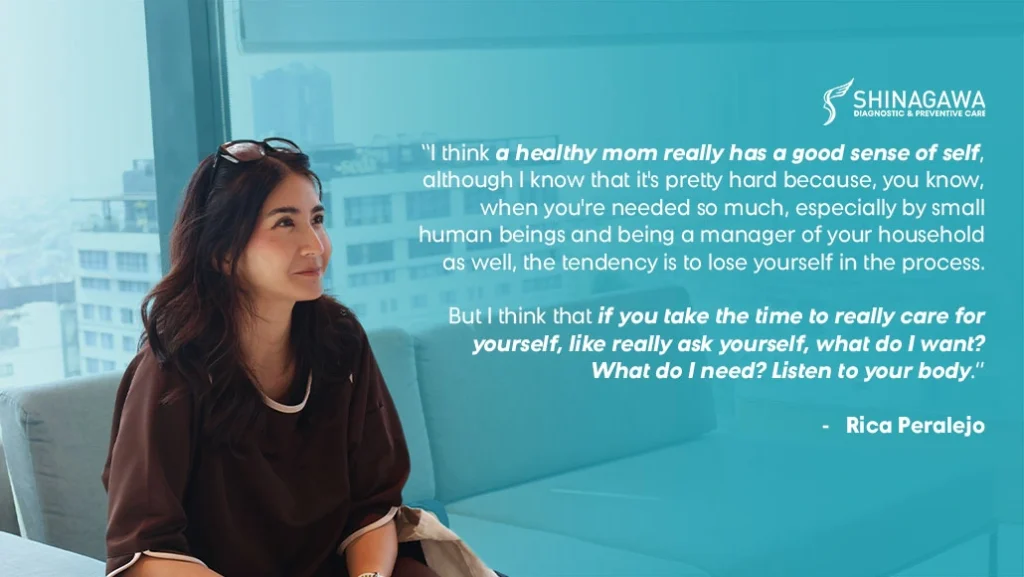
This is why routine health screenings and consultations are important, even during the busiest years of motherhood. Early detection can help identify health risks before they become more difficult to manage later on.
The Middle Years: Balancing Family, Career, & Health
As children grow older, many mothers enter a stage where they juggle multiple responsibilities at once — balancing careers, supporting their children’s education, caring for their spouses and aging parents, and managing the demands of the household all at the same time.
At this stage, stress, fatigue, and burnout can quietly accumulate, sometimes without being immediately noticed because everything still needs to get done. Signs are still being ignored as the focus remains on keeping daily life running smoothly.
This is where proactive healthcare becomes important — not as a response to illness, but as a way of protecting oneself in the long-run.
The Later Years: When Children Begin Caring for Mom
There comes a point when the roles slowly begin to shift. The children a mother once cared for start reminding her to take her medications, schedule her checkups, or finally prioritize her own health.
For many families, encouraging their mothers to undergo preventive screenings becomes a way of expressing gratitude for years of sacrifice and unconditional care.

As women age, routine health monitoring becomes even more important. Bone health, heart health, digestive health, and cancer screenings all play a vital role in supporting healthy aging and preserving quality of life.
More than treating disease, preventive care allows mothers to continue enjoying the things they worked so hard for — spending time with family, traveling, pursuing hobbies, and living life more comfortably and confidently.
The Season Where Mom Chooses Herself
For some women, motherhood eventually enters a quieter season. Children become more independent, careers slow down, and mothers finally have the time to focus on themselves again.
This stage often becomes an opportunity for women to reconnect with their health and well-being, not out of obligation, but out of self-care.

Motherhood may evolve through the years, but a mother’s health should never be neglected in any stage of life. Whether she is a busy mom raising young children, a woman balancing countless responsibilities, or someone finally learning to prioritize herself again, preventive care remains essential.