
Last updated on July 8th, 2026 at 09:44 am
Maintaining healthy cholesterol levels is essential for overall well-being and long-term heart health. Imbalances in blood lipids, such as Dyslipidemia and Hypercholesterolemia, often develop silently but can increase the risk of Cardiovascular Disease if left unmanaged.
Fortunately, early detection combined with proper nutrition guidance allows individuals to manage their cholesterol effectively. By making informed dietary choices and seeking professional support, people can take proactive steps to maintain healthy cholesterol levels and protect their heart.
Understanding Abnormal Cholesterol Levels
Cholesterol is a fatty substance essential for hormone production, cell function, and vitamin absorption. However, an imbalance in lipid levels can harm the body. Key markers include:
- LDL (bad cholesterol): Excess amounts can lead to plaque buildup in arteries.
- HDL (good cholesterol): Helps remove excess cholesterol from the bloodstream.
- Triglycerides: Main form of stored fat in the body. High levels may increase the risk of heart disease.
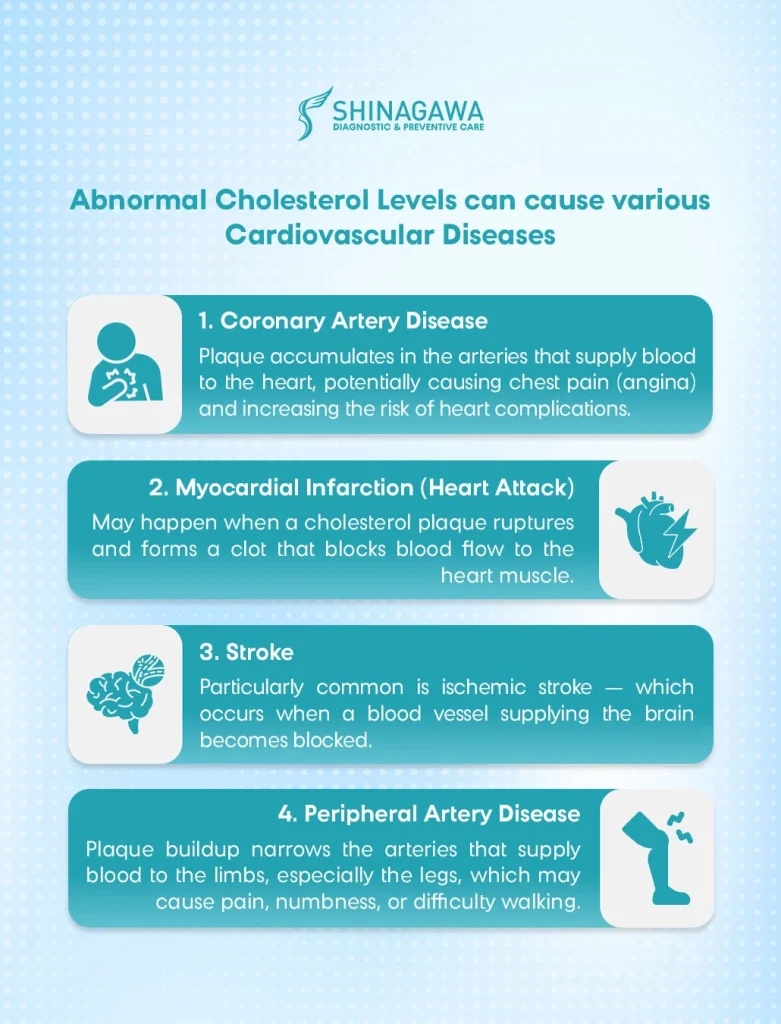
Abnormal cholesterol levels are closely linked to cardiovascular disease, highlighting the importance of monitoring and management.
Risk Factors That Affect Cholesterol Levels
Several factors influence cholesterol levels, including:
- Unhealthy dietary patterns, such as diets high in saturated and trans fats
- Sedentary lifestyle and lack of physical activity
- Being overweight or obese
- Family history or genetic predisposition
- Health conditions like Type 2 Diabetes
Understanding these risk factors allows individuals to take proactive steps toward prevention.
Early Detection and Nutrition Guidance for Cholesterol Management
One of the challenges of abnormal cholesterol levels is that they often develop without noticeable symptoms. Because of this, regular health checkups and blood tests are essential for identifying risks early. Detecting abnormal lipid levels before complications arise can significantly improve health outcomes and reduce the risk of serious conditions such as Cardiovascular Disease.
Nutrition and dietetics guidance plays a key role in managing cholesterol levels once risks are identified. Registered dietitians help create personalized nutrition plans that support healthier lipid profiles. These plans often emphasize incorporating fiber-rich foods such as oats, legumes, and vegetables; eating a variety of fruits, vegetables, and whole grains; including healthy fats from sources like nuts, seeds, and olive oil; and limiting the intake of saturated fats, trans fats, and added sugars. Professional guidance helps ensure that dietary adjustments are both effective and sustainable.
For long-term heart health, nutrition should be combined with regular physical activity, stress management, and routine health monitoring. Taking a holistic approach and seeking professional guidance can help individuals build sustainable lifestyle habits that support cardiovascular health for years to come.
Get your Health Checkup at Shinagawa Diagnostic
Abnormal cholesterol levels do not have to become a lifelong health risk. In many cases, they can be managed and even prevented through early detection, proper nutrition, and healthy lifestyle choices. By taking proactive steps, individuals can significantly reduce their risk of cardiovascular disease and maintain better long-term health.
Shinagawa Diagnostic supports this goal by offering comprehensive health checkups combined with expert Nutrition & Dietetics counselling. Through the Platinum and VIP Shinagawa packages, patients can receive a full health assessment along with personalized guidance to help maintain healthy cholesterol levels and support overall wellness.
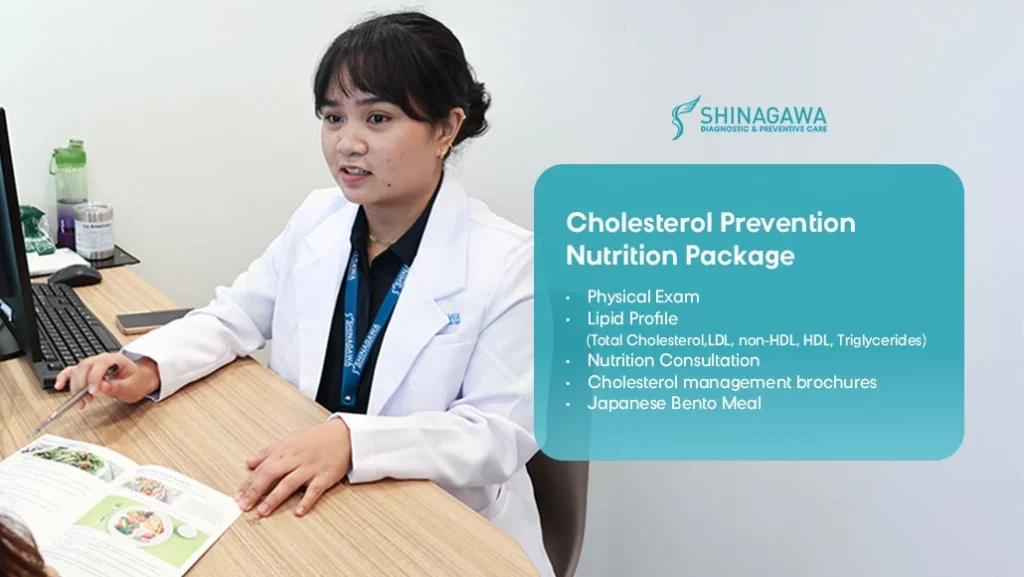
For those who prefer a more focused approach, Shinagawa Diagnostic also offers a Cholesterol Prevention Nutrition Package as a specialized service. Designed with its own set of targeted tests and procedures, this package helps assess cholesterol levels and related risk factors, providing patients with valuable insights and guidance specifically aimed at supporting heart health.