

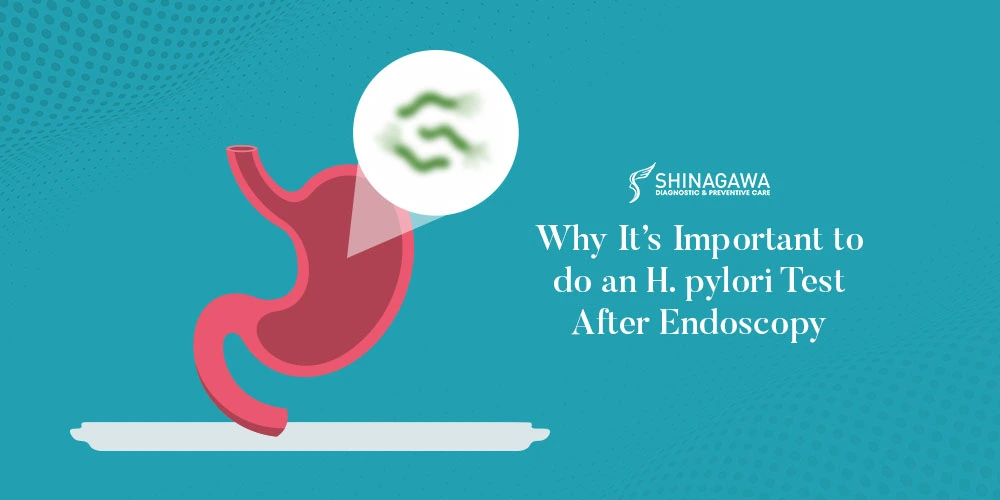
An endoscopy is one of the most effective tools for evaluating the condition of your digestive tract. It allows doctors to directly view the esophagus, stomach, and upper small intestine to identify issues such as ulcers, inflammation, or abnormal growths.
However, many patients are surprised to learn that an endoscopy alone cannot always detect Helicobacter pylori (H. pylori)—a type of bacteria responsible for a wide range of gastrointestinal conditions.
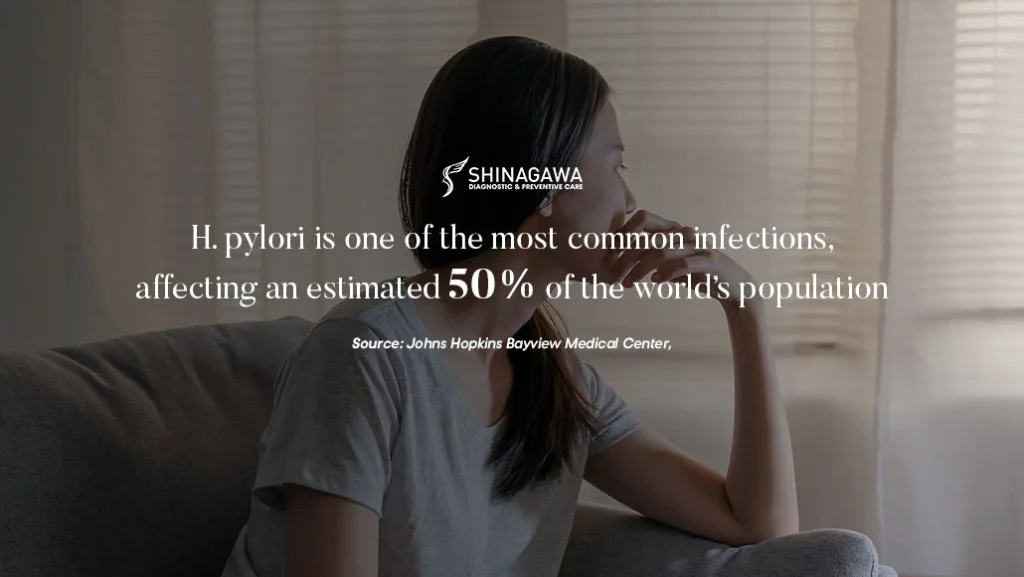
Globally, H. pylori is one of the most common infections, affecting an estimated 50% of the world’s population. Because of its significant health implications, confirming its presence through appropriate testing—even after an endoscopy—is essential for accurate diagnosis and treatment.
Understanding H. pylori and Its Impact on Your Health
H. pylori is a type of bacteria that can live in the stomach for years without causing noticeable signs. However, over time, it can damage the stomach lining and lead to serious conditions such as chronic gastritis, peptic ulcers as well as increase the risk of stomach cancer
Because many people do not experience symptoms in the early stages, the infection often goes undetected until complications arise. This is why early and accurate testing is essential.
What Happens During an Endoscopy
An upper gastrointestinal (GI) endoscopy is a commonly performed procedure that allows doctors to examine the lining of the esophagus, stomach, and the first part of the small intestine.
This enables the physician to visually assess the digestive tract for abnormalities such as inflammation, ulcers, or unusual growths. In some cases, small tissue samples or biopsies may be taken for further analysis.
While an endoscopy can help identify visible signs associated with H. pylori infection, such as gastritis or peptic ulcers, it cannot definitively confirm the presence of the bacteria on its own. This is because endoscopy is primarily a visual examination, and H. pylori is a microscopic organism that cannot be seen through the scope.
Although biopsies taken during the procedure can be tested for H. pylori, they are not always performed—especially if the stomach appears normal. Additionally, the bacteria may not be evenly distributed throughout the stomach lining, which means it can sometimes be missed even when samples are collected. In some cases, patients may also have the infection without showing any visible abnormalities during endoscopy, particularly in the early stages.
Because of these limitations, relying on endoscopy alone may lead to missed or delayed diagnosis.
Why an H. pylori Test After Endoscopy Is Important
Even when H. Pylori testing is available alongside endoscopy, many patients choose not to proceed with it, often assuming that the procedure alone is already sufficient. Similarly, those planning to undergo endoscopy may not even be aware that testing for H. pylori is just as important as the visual examination itself.
This gap in awareness can lead to missed opportunities for early diagnosis and proper treatment. A H. pylori test can help confirm whether the infection is present, even in cases where visual findings appear normal. This is essential because identifying the bacteria allows healthcare providers to establish a clear and targeted treatment plan, typically involving antibiotics and acid-reducing medications, rather than relying on generalized management. Moreover, confirming the presence of the bacteria supports the diagnosis and management of related conditions as well as assists in controlling complications like bleeding and stomach pains.
Without this step, patients may not receive the most appropriate treatment, potentially leading to persistent symptoms or overlooked complications despite having undergone endoscopy.
Frequently Asked Questions (FAQ)
Endoscopy can detect signs of infection, but it cannot reliably confirm H. pylori without additional testing such as biopsy or lab-based tests.
Yes. A normal endoscopy does not rule out H. pylori. Testing is still recommended if symptoms persist or if your doctor advises it.
Testing can be done shortly after, but certain medications may need to be paused for accurate results. Always follow your doctor’s instructions.