


Many people rely on a weighing scale to gauge their health. While maintaining a healthy weight is important, it does not always reflect what is happening inside the body. Some individuals may appear fit but still carry hidden risks for chronic conditions.
This is why early detection and preventive health checkups are essential as they help identify potential problems before symptoms become severe. Understanding the early warning signs your body may give can make a significant difference in preventing long-term health complications.
Why Weight Alone Is Not Enough to Assess Health
Body weight, including metrics like BMI, provides only a surface-level view of health because it measures how much you weigh without revealing what that weight is made of or how your body is functioning.
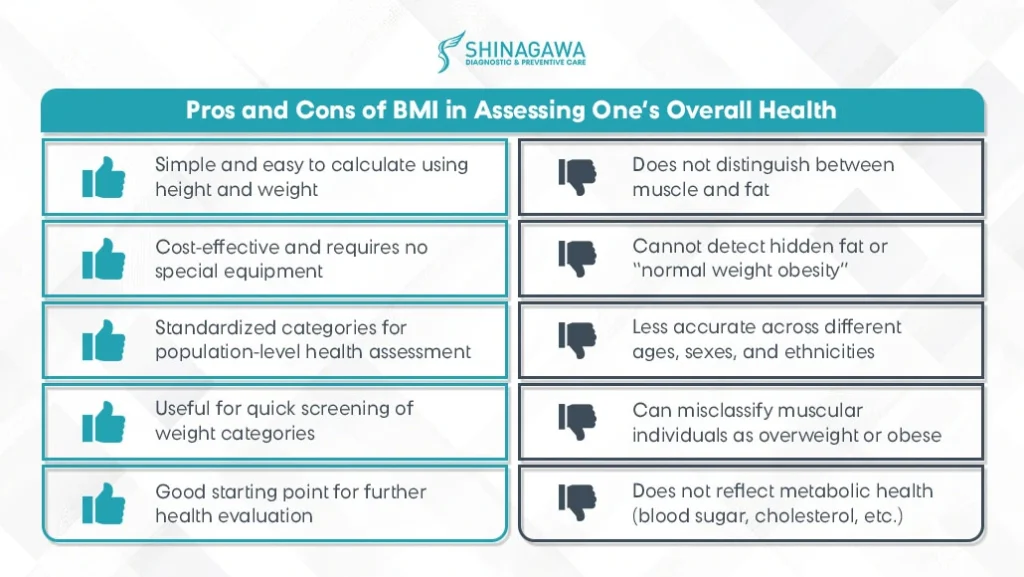
As a result, it does not capture the deeper factors that truly reflect your overall health, such as:
- Body composition
Refers to the proportion of different components that make up your body, primarily muscle, fat, bone, and water. It provides a more accurate picture of your overall health than weight alone because it distinguishes between lean tissue and fat mass.
However, having too much fat—especially relative to muscle—can increase the risk of various health conditions. This is why two individuals with the same weight can have very different health profiles depending on their body composition
- Visceral fat
It is a specific type of fat that is stored deep within the abdominal cavity, surrounding internal organs such as the liver, pancreas, and intestines. Unlike subcutaneous fat, which is found just under the skin, visceral fat is more metabolically active and can negatively affect how the body functions.
It releases inflammatory substances and hormones that may interfere with normal metabolic processes. Even individuals who appear slim can have elevated levels of visceral fat, which is why it is often referred to as a “hidden” or “silent” risk factor.
- Metabolic health
It refers to how efficiently your body processes and uses energy from food. A person with good metabolic health typically has stable blood sugar levels, healthy cholesterol, normal blood pressure, and proper insulin function. When metabolic health is compromised, the body may develop insulin resistance, elevated blood sugar, and imbalances in cholesterol and triglyceride levels.
Hidden Health Risks That Weight Cannot Detect
Even if your weight falls within a healthy range, it does not guarantee that your internal health is as it should be. Many conditions can develop silently, without obvious symptoms—placing you at risk for the following:
- High blood pressure, also known as hypertension. Often called a “silent killer,” it can exist without noticeable symptoms but puts extra strain on the heart and blood vessels, increasing the risk of heart attack and stroke over time.
- High cholesterol, which involves elevated levels of fatty substances in the blood. Excess cholesterol can build up in the arteries, leading to narrowing or blockages that may restrict blood flow and increase the risk of cardiovascular disease.
- Prediabetes and Type 2 diabetes are conditions that can go unnoticed in the early stages. These involve issues with how the body regulates blood sugar and uses insulin. Without early detection and management, they can progress and lead to complications affecting the heart, kidneys, eyes, and nerves.
- Fatty liver disease can develop even in individuals who are not overweight. It occurs when excess fat accumulates in the liver, potentially leading to inflammation, liver damage, and in severe cases, liver failure if left unmanaged.
- Early cardiovascular disease can begin developing long before any symptoms appear. Factors such as plaque buildup in the arteries can restrict blood flow and increase the risk of serious events like heart attacks or strokes.
Because these conditions can exist without visible signs, regular health screenings and diagnostic tests are essential. Early detection allows for timely intervention, helping prevent complications and supporting long-term health—even for individuals who appear to be at a healthy weight.
How to Maintain Health Beyond Weight
Achieving good health goes beyond managing your weight as it requires both a balanced and consistent lifestyle.
Eating a nutrient-rich diet with whole foods, lean proteins, fruits, and vegetables helps support overall body function, while regular physical activity improves heart health and metabolism.
Getting enough quality sleep, managing stress, and staying active throughout the day are also essential for maintaining balance within the body. Equally important is having regular health checkups, as these help detect potential issues early and effectively.
Taking a holistic approach to these habits supports long-term wellness and reduces the risk of hidden health conditions. If you are experiencing persistent or unexplained symptoms, noticing sudden changes in your body, have a family history of chronic diseases, or have concerns about your overall health—even if you maintain a “healthy” weight—it is important to seek medical advice.
Get your Health Checkup at Shinagawa Diagnostic

A healthy weight is only one piece of the puzzle, as true health is determined by what is happening inside your body, not just what appears on the outside. By recognizing early warning signs and prioritizing preventive health checkups, you can take control of your well-being and detect potential issues before they become serious.
At Shinagawa Diagnostic, health checkups and personalized guidance come together in our commitment to early detection and prevention. Through services such as the Nutrition Counseling package, you can access tailored services designed to meet your unique needs, along with expert advice to support your journey toward better health.