

Last updated on July 8th, 2026 at 09:45 am
An executive checkup is a more comprehensive, health screening that combines blood tests, imaging exams, and expert consultations to detect diseases early and establish a clear baseline of your health.
Unlike a basic annual physical exam, it offers deeper diagnostics through detailed health packages.
What is an executive checkup?
An executive checkup, often called an ECU, is a bundled health screening designed to give a “deep dive into your body” in a single, organized visit.
In the Philippines, ECUs are popular among busy professionals who want proactive health screening rather than waiting for symptoms to appear.
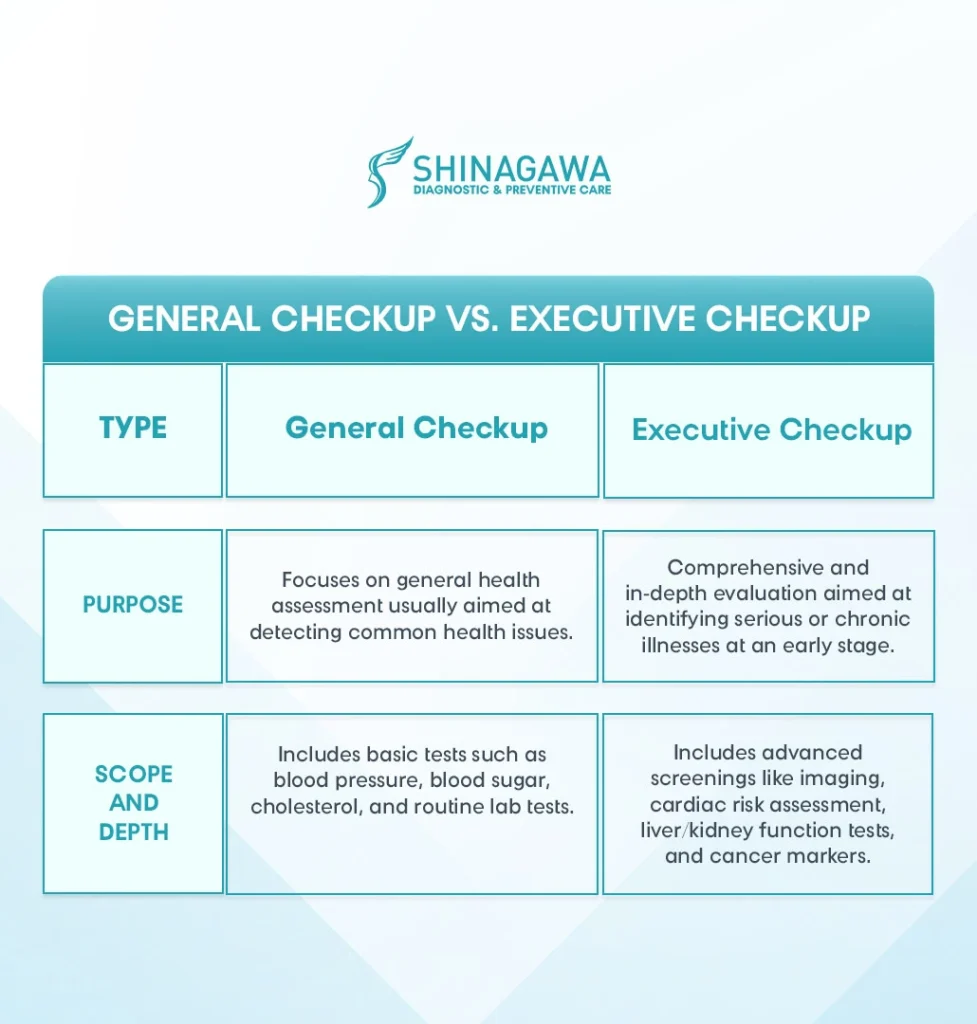
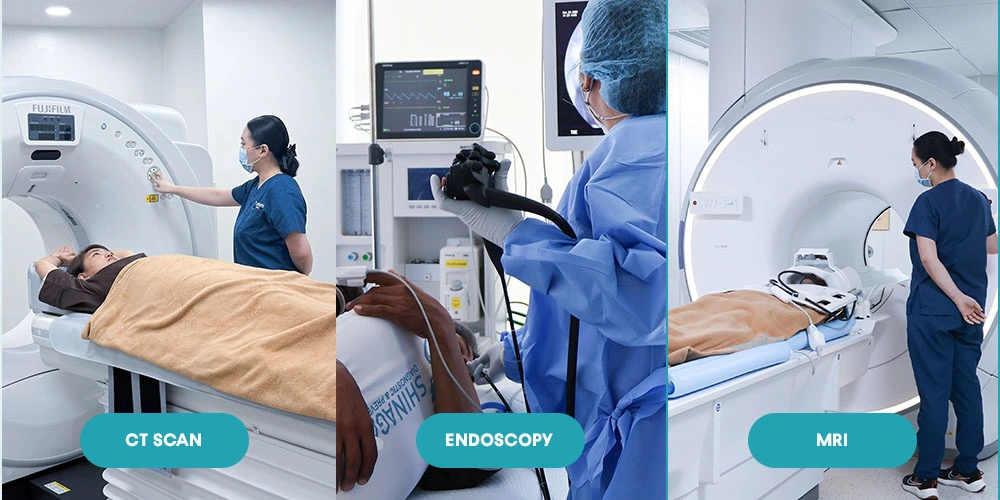
Unlike general checkups, which usually covers only basic vital signs and a limited set of tests, an ECU includes more comprehensive laboratory exams, imaging exams like MRI and CT scan, and age‑specific screenings aimed at early detection of lifestyle diseases and cancers.
This approach helps catch “silent killers” such as hypertension and diabetes at a stage when they can be managed more effectively.
What tests are included in an executive checkup?
Typical laboratory tests include:
- Fasting blood sugar (FBS) and HbA1c to screen for diabetes or pre‑diabetes.
- Uric acid for gout risk, which is common in diets high in red meat and alcohol.
- Lipid profile (HDL, LDL, Triglycerides) to monitor your heart’s resilience and cholesterol‑related risk.
- Creatinine and other kidney markers for kidney function.
- Liver function tests to assess liver health.
- CBC with platelet count to check for anemia, infection, and blood disorders.
Imaging and diagnostic tests often include:
- Chest X‑ray (PA/Lateral)
- ECG, Treadmill stress test, and 2D echocardiogram to assess heart structure and function.
- Whole abdominal ultrasound to provide a clear window into internal health
- Pelvic ultrasound for women and prostate ultrasound for men.
Specialized screening may involve mammography, Pap smear, HPV testing, and tumor markers such as CEA, PSA, and CA‑125, depending on age, sex, and risk factors. Some packages also include eye and hearing tests as well as endoscopy for digestive health monitoring.
How often should you get an executive checkup?
For adults with higher risk or existing conditions, an annual executive checkup is often recommended, while younger, low‑risk individuals may be advised to come every one to two years, depending on their doctor’s assessment.
The key is consistency: having repeated ECUs at reasonable intervals helps your healthcare partner compare results over time, track trends in your blood chemistry and imaging, and adjust your plan before a minor concern becomes a serious illness.
Conversational FAQs
Most executive checkups in Philippine centers are designed to finish within half a day, with some premium packages, including Shinagawa’s Men’s and Women’s Prime Executive Checkups, typically lasting around two to three hours depending on the inclusions.
Many companies and HMOs offer some coverage for ECU packages, but the exact inclusions vary by plan. It is best to coordinate with your HMO and ask your chosen center about possible LOG arrangements before booking.
Most procedures are minimally invasive. You may feel brief discomfort during blood extraction or imaging procedures, but these tests are generally well‑tolerated and completed quickly.
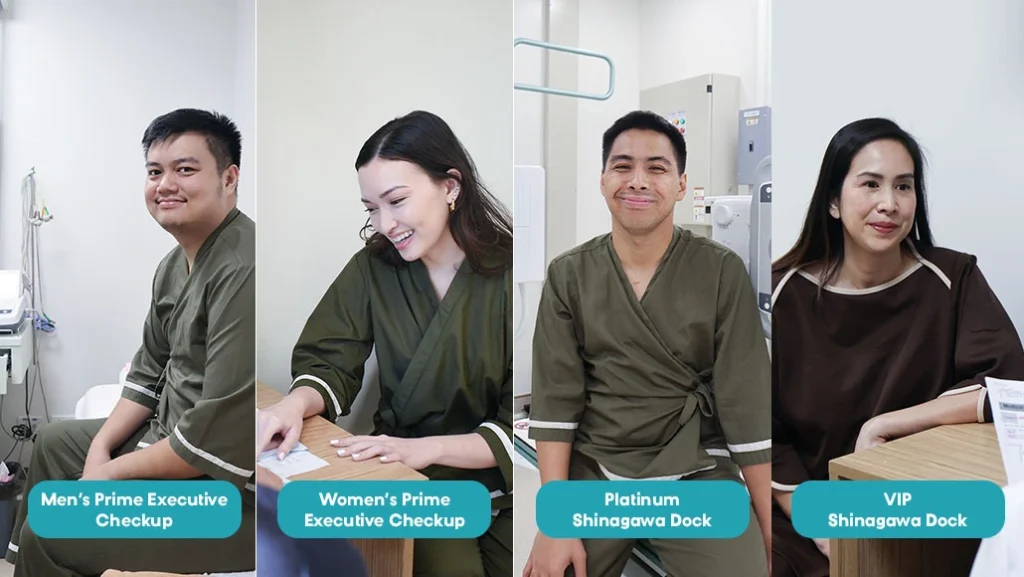
Get your Executive Checkup at Shinagawa Diagnostic & Preventive Care
In the Philippines, executive checkups are typically offered through major hospitals, diagnostic centers, and HMO coverage, with packages tailored to age and individual risk factors.
Shinagawa Diagnostic & Preventive Care elevates this approach by bringing Japanese-standard health checkup systems to the country. Their range of executive checkups emphasizes early detection and precise diagnostic imaging, ensuring a comprehensive assessment of your health.
Disclaimer: This article is for educational purposes only and does not replace professional medical advice. Please consult a qualified healthcare professional for an accurate diagnosis and treatment.
Citations and Resources
Shinagawa Diagnostic & Preventive Care is committed to delivering accurate, reliable, and up-to-date health information. All content published on our platform is grounded in evidence-based research and reviewed by qualified professionals where applicable.
To support our articles, we reference authoritative sources such as peer-reviewed medical journals, official health organizations (e.g., World Health Organization, Department of Health Philippines), and expert guidelines. Where appropriate, we also include data from trusted research institutions and clinical studies.
Our goal is to provide well-researched content that empowers you to make informed choices about your health, diagnostics, and preventive care.
Resources Used in This Article
- Perpetual Help Medical Center. “What to Expect During an Executive Check Up, https://phmc.com.ph/blog/executive-checkup-guide/”
- Hospital at Maayo. “5 Things You Need to Know About Your Executive Check-up, https://thehospitalatmaayo.com/blog/executive-check-up-guide”
- PubMed. “Medical Record Survey after Comprehensive Health Checkup Referral and Its Contribution to the Early Detection of Cancer, https://pmc.ncbi.nlm.nih.gov/articles/PMC10821117/”
- Fountain Life. “Executive Health Program: What It Is, How It Works, Features, Best Services, Benefits, and Cost, https://www.fountainlife.com/blog/executive-health-program”
- Cleveland Clinic. “Corporate Health, https://my.clevelandclinic.org/departments/executive-health/corporate”