

Last updated on July 8th, 2026 at 09:45 am
When people hear the word malnutrition, it is often associated with not eating enough. However, malnutrition is a broader health concern that includes both undernutrition and overnutrition. This means that being underweight or overweight can both indicate nutritional imbalance, and both can significantly affect a woman’s health.
For women, maintaining balanced nutrition is especially important. Hormonal changes, menstruation, pregnancy, and aging can all influence the body’s nutritional needs. When these needs are not met—or when nutrition becomes excessive or imbalanced—it can lead to a range of health concerns that may develop gradually over time.
The Health Risks of Being Underweight
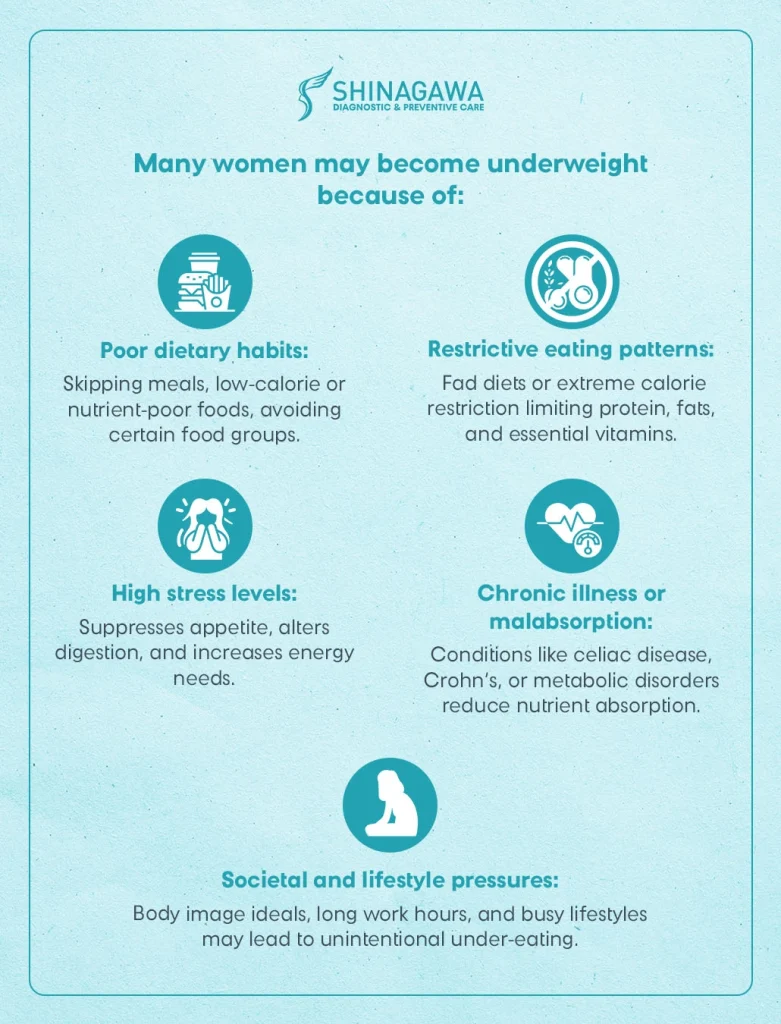
Women who are underweight may face several health risks due to insufficient nutrient intake. A lack of essential vitamins and minerals can weaken the immune system, making the body more vulnerable to infections and illness. Low body weight can also lead to fatigue, reduced muscle strength, and difficulty maintaining daily energy levels.
In addition, being underweight can impact reproductive health. Women may experience irregular menstrual cycles, fertility challenges, and increased risks during pregnancy. Long-term nutritional deficiencies may also contribute to bone loss, increasing the risk of conditions such as osteoporosis later in life.
The Health Risks of Being Overweight
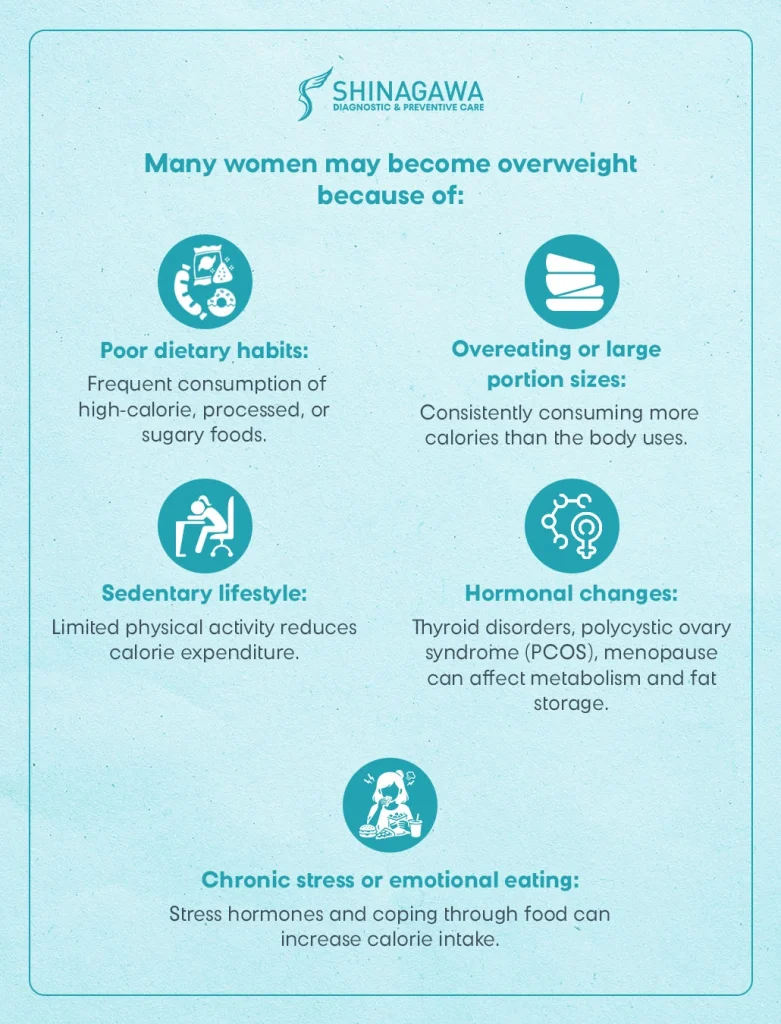
On the other end of the spectrum, being overweight or obese can also place significant strain on a woman’s body. Excess body weight is associated with a higher risk of chronic health conditions, including cardiovascular disease, diabetes, and metabolic disorders.
Hormonal balance may also be affected, potentially leading to reproductive health concerns. In some cases, excess weight may increase the risk of certain cancers and may impact mobility, energy levels, and overall quality of life.
Modern lifestyle habits have also contributed to rising rates of overweight and obesity among women. These factors highlight the importance of monitoring nutritional health before more serious conditions develop.
Why Early Detection Matters
Malnutrition, whether caused by insufficient or excessive nutrition, often develops gradually and may not immediately present obvious symptoms. This is why early detection plays a critical role in maintaining overall health.
Regular health checkups can help identify early signs of nutritional imbalance, including weight-related risks, metabolic changes, and potential nutrient deficiencies. Detecting these concerns early allows individuals to take mindful steps toward improving their health before complications arise.
Get your health checkup at Shinagawa Diagnostic
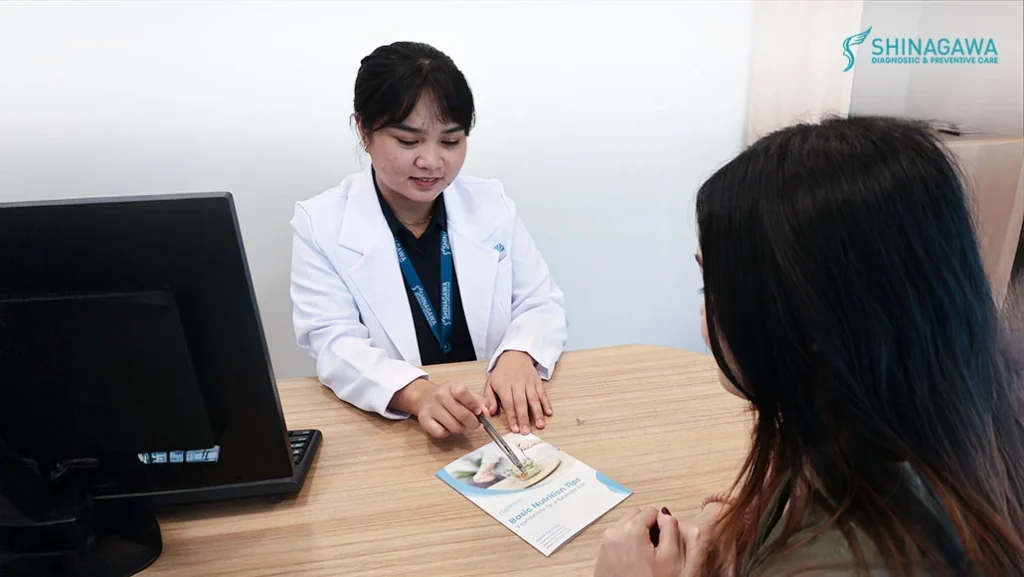
Health screenings provide valuable insights into a person’s overall nutritional and metabolic status. Through routine assessments, healthcare professionals can evaluate factors such as body composition, nutrient levels, and other indicators that may signal potential health concerns.
Beyond diagnosis, nutritional guidance is an important part of prevention. With proper guidance from healthcare professionals, individuals can better understand their dietary needs, adjust their eating habits, and make informed lifestyle decisions that support long-term health.
At Shinagawa Diagnostic, women can receive both comprehensive health checkups and professional nutrition guidance. Through specialized services like the Women’s Prime Executive Checkup and Nutrition and Dietetics Packages, patients can gain personalized advice and essential strategies that help them achieve balanced nutrition and maintain healthier lifestyles.
Taking proactive steps today can make a significant difference in preventing health complications in the future—because achieving good health begins with understanding and caring for your body’s nutritional needs.