


Last updated on July 23rd, 2026 at 11:07 am
Do you ever find yourself sneezing, dealing with a mysterious runny nose, or waking up with itchy eyes even when you haven’t left the house? You’re not alone. While we often think of our homes as safe, clean sanctuaries, they can secretly harbor millions of microscopic irritants that keep your immune system on high alert.
The good news? You don’t have to live in discomfort. From hidden dust mites in your bedding to unseen mold in quiet corners, identifying these silent culprits is the first step toward breathing easier in your own space.
Let’s uncover the 5 most common indoor allergens affecting your daily health, how to minimize them, and how a simple diagnostic check can give you back your comfort.
What Are the Common Allergy Triggers in Your Home
Even in a well-kept home, allergens can be present in various forms, such as:
- Dust mites – These tiny creatures thrive in bedding, carpets, and upholstered furniture.
- Pet dander – Shed skin flakes from cats and dogs.
- Mold spores – Found in damp areas like bathrooms, corners and basements.
- Household chemicals – Strong cleaning products and air fresheners.
- Food – Aside from reactions to certain foods, airborne food particles or residue left on surfaces can also trigger allergies.
What are the Symptoms of Indoor Allergies
Allergy symptoms can vary from mild to severe and may include:
- Sneezing and a runny or stuffy nose
- Itchy or watery eyes
- Coughing or wheezing
- Skin rashes or irritation
- Difficulty breathing in severe cases
Practical Steps to Clear Your Home of Allergy Triggers
While keeping your home clean and well-ventilated helps, the best way to manage allergies is by finding the exact cause. An adult allergy test helps identify specific substances that trigger allergic reactions, commonly performed through the process of skin prickling.
Identifying your triggers is essential, but taking proactive steps around the house can provide immediate, everyday comfort.
Here are a few simple changes you can make:
- Manage Dust & Dander: Wash bed linens weekly in hot water and use a vacuum equipped with a certified HEPA filter to trap micro-allergens instead of blowing them back into the air.
- Control Indoor Humidity: Keep indoor humidity levels below 50% using air conditioners or dehumidifiers to stop mold growth and dust mite reproduction.
- Upgrade Air Filtration: Clean or replace your AC filters regularly and consider using a standalone HEPA air purifier in high-traffic areas like the bedroom and living room.
- Switch to Hypoallergenic Cleaners: Replace harsh, scented household sprays with fragrance-free, non-toxic alternatives to minimize respiratory irritation.
Why Choose Shinagawa’s Blood-Based Allergy Testing?
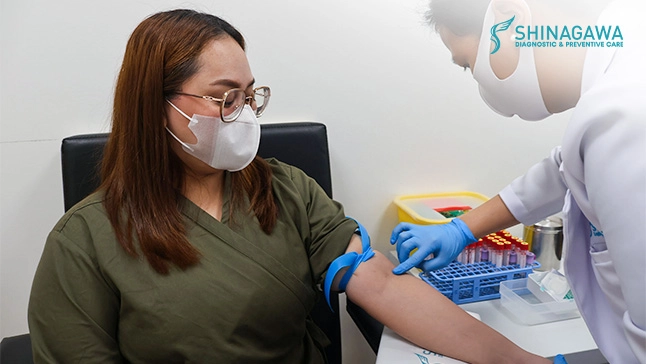
When managing allergies, guesswork often leads to unnecessary trial and error with medications. Precise diagnosis is key to targeted treatment and long-term relief. While traditional skin prick tests can be uncomfortable and carry a risk of allergic flare-ups, Shinagawa Diagnostic & Preventive Care offers advanced allergy testing through a simple blood draw (IgE Testing).
- Painless & Safe: Requires only one blood sample with zero risk of triggering an allergic reaction.
- Convenient: Unlike skin tests, you do not need to stop taking your daily antihistamines prior to testing.
- Comprehensive: Our specialized allergy panels measure your body’s specific antibody responses to pinpoint exact environmental and dietary triggers.
Don’t let hidden allergens compromise your comfort at home. Book your Allergy Test at Shinagawa today and take the first step toward clearer breathing and better health.

Inquire

Book