

Last updated on March 31st, 2026 at 01:00 pm
Many people tend to overlook fundus examinations when thinking of routine checkups, yet they remain an essential part of preventive care.
Important for maintaining eye health, a fundus exam allows ophthalmologists to identify subtle changes in the retina and optic nerve that may signal underlying systemic conditions. By providing a clear view into the body’s vascular and neurological health, it offers a valuable opportunity for early intervention—helping detect and address potential issues before they progress.
While anyone can benefit from undergoing a fundus examination, certain individuals face a higher risk and should consider more frequent monitoring as part of their overall health management.
High-Risk Groups Requiring Regular Fundus Examinations
Not all individuals require the same level of monitoring when it comes to eye health. Clinical recommendations vary based on factors such as existing medical conditions, age, and personal health history. Recognizing these distinctions allows for a more targeted approach to screening, ensuring that those at higher risk receive appropriate and timely evaluation.
1. Individuals with Diabetes
People with diabetes are among the primary candidates for regular fundus examinations. The condition can lead to diabetic retinopathy, which affects the blood vessels in the retina and may progress without noticeable symptoms. Routine monitoring enables early identification of retinal changes, supporting timely management and reducing the risk of vision impairment.
2. Individuals with Hypertension
Hypertension can impact vascular health throughout the body, including the delicate blood vessels in the eyes. This may result in hypertensive retinopathy, which can develop gradually. Regular fundus examinations allow for the assessment of these changes, contributing not only to eye health but also to broader cardiovascular management.
3. Adults Aged 40 and Above
Advancing age is associated with an increased risk of developing conditions such as glaucoma, macular degeneration, and cataracts. Individuals aged 40 and above are therefore advised to undergo periodic fundus examinations to monitor for early structural or functional changes in the eye. Early identification plays a key role in preserving long-term visual function.
4. Individuals with a Family History of Eye Disease
A family history of eye conditions such as glaucoma or macular degeneration may increase an individual’s susceptibility. In such cases, regular fundus examinations serve as a proactive measure, allowing for closer observation and early management should any changes arise.
In addition to eye-specific risks, systemic health conditions can sometimes reveal themselves in the retina. Conditions such as high cholesterol, cardiovascular disease, or even certain neurological disorders may show early warning signs.
How Often Should High-Risk Individuals Get Examined?
The frequency of fundus examinations varies depending on risk factors. Diabetic patients are generally advised to have an exam every six to twelve months, while individuals with high blood pressure should consider an annual checkup.
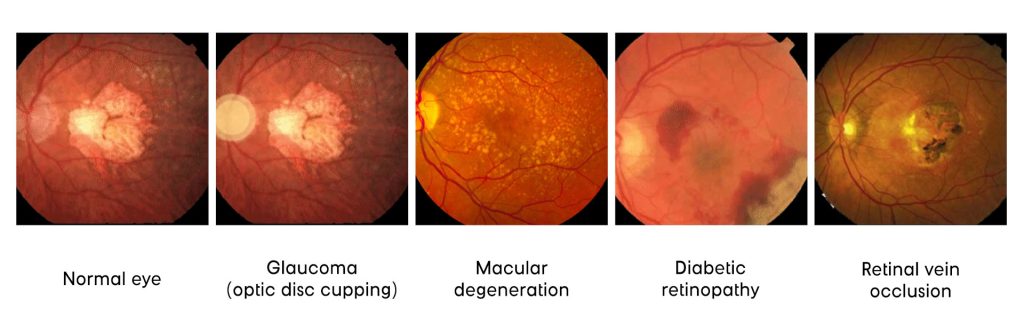
Adults over 40 or those with a family history of eye disease may need exams every one to two years, depending on their health status. Even for individuals without these risk factors, a baseline exam can help track eye health over time and serve as an important preventive measure.
Get your health checkup at Shinagawa Diagnostic
In the Philippines, where diabetes and hypertension remain prevalent, routine checkups should go beyond basic eye exams to include fundus examinations, helping identify early signs of disease and guide timely intervention.
Dr. Carlo Adraneda of Shinagawa Lasik & Aesthetics Philippines notes that the eyes can reveal underlying health issues even before other symptoms appear, making fundus exams a key tool for preventive care.
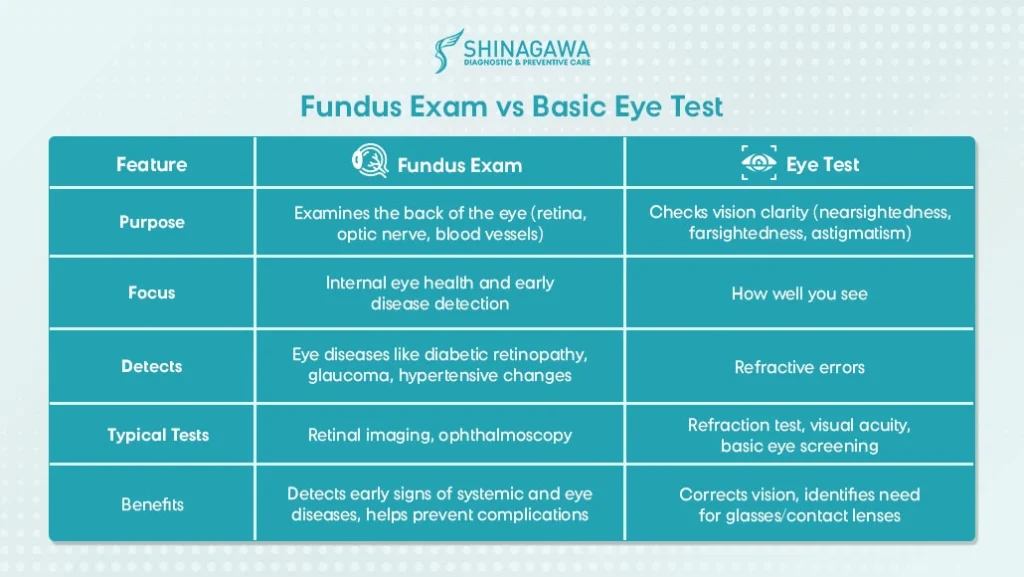
Inspired by Japan’s advanced healthcare practices, Shinagawa Diagnostic includes fundus examinations alongside standard eye exams in its health packages, enabling patients to monitor both their eye and overall health proactively and take timely steps to prevent complications.