


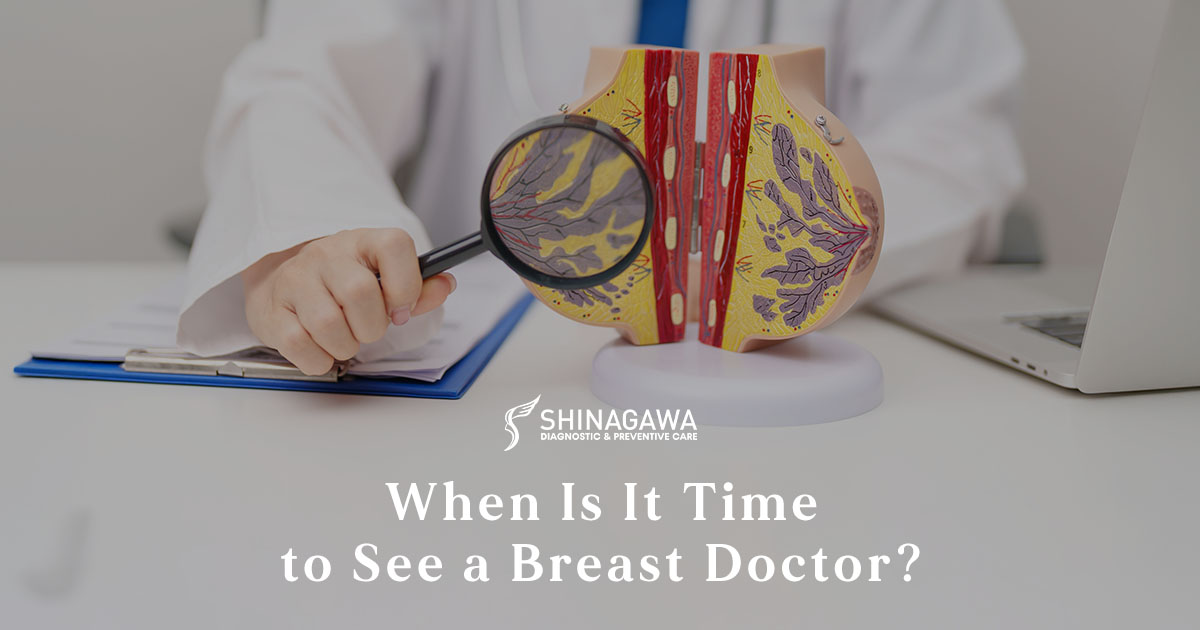
Breast health does not always follow a straightforward path. A routine screening may come back with a finding that needs another look, a lump may appear unexpectedly, or a change you have been watching may simply stop feeling normal to you.
In situations like these, seeing a breast doctor or specialist can provide more focused guidance.
Rather than looking at one symptom in isolation, a breast doctor or specialist considers your examination findings together with your age, previous imaging, medical history, family history, and individual risk factors. This helps determine whether a concern can simply be monitored or whether additional evaluation is appropriate.
What Is a Breast Doctor/Specialist?
A breast doctor or specialist is a physician with experience in evaluating, diagnosing, or managing conditions involving the breasts.
There is no single type of doctor responsible for every aspect of breast care. The specialist involved often depends on what needs to be evaluated and what previous examinations have shown.
Different Types of Breast Specialists
Breast Surgeon
A breast surgeon evaluates breast lumps, abnormal imaging findings, and other conditions that may require biopsy or surgical management. Seeing one does not automatically mean surgery will be needed.
Breast Radiologist
A radiologist specializing in breast imaging interprets examinations such as mammography, breast ultrasound, and breast MRI. They play an important role in identifying findings that may require additional imaging or biopsy.
OB-GYN
An obstetrician-gynecologist can assess common breast concerns as part of women’s healthcare and may recommend imaging or refer you to another specialist when necessary.
Medical Oncologist
A medical oncologist becomes involved when breast cancer has been diagnosed and treatment such as chemotherapy, targeted therapy, or hormone therapy needs to be considered.
Radiation Oncologist
A radiation oncologist specializes in radiation therapy and may become part of the care team after certain breast cancer diagnoses.
For many patients, the first step may still be a primary care doctor or OB-GYN. The important part is reaching the right specialist when a finding requires more focused assessment.
When Should You See a Breast Doctor?
Not every breast concern requires specialist care immediately.
Temporary breast tenderness around menstruation, for example, may resolve on its own. A breast specialist becomes more relevant when a change persists, becomes more noticeable, appears unusual for you, or has already resulted in an abnormal screening or imaging finding.
You may also be referred even when you do not have symptoms, particularly if your personal or family history places you at higher risk or if previous imaging requires closer follow-up.
The decision is therefore not based on one symptom alone. It often depends on the pattern, persistence, and context of the change.
Top Reasons & Symptoms to See a Doctor
New or Changing Breast Lumps
Discovering a lump can be worrying, but breast lumps can have many possible causes. Some may be related to cysts, fibroadenomas, hormonal changes, or other benign conditions. What matters is whether the lump is new, has changed, persists over time, or is accompanied by another breast change.
A specialist can assess the area and determine whether imaging or another examination is appropriate rather than relying on how the lump feels alone.
Changes in Skin or Nipple Texture
The appearance of the breast can sometimes provide information that cannot be felt during a self-check.
Changes worth discussing include:
- Persistent dimpling or puckering
- Thickening or swelling of the skin
- Ongoing redness or scaling
- A nipple that has recently become inverted
- Unexplained discharge, particularly when bloody
- Changes affecting the nipple or areola that do not resolve
Many of these changes can have non-cancerous causes, including irritation or infection. When they persist, however, a proper examination can help determine what is behind them.
Persistent, Localized Pain
Breast pain is common and frequently related to hormonal changes, menstruation, medications, injury, or even the muscles and tissues around the chest.
Pain becomes more useful to evaluate when it repeatedly occurs in one specific area, continues beyond your usual hormonal pattern, becomes increasingly noticeable, or appears with another physical change.
A specialist can help determine whether the discomfort is coming from the breast itself or from another nearby structure.
An Abnormal Screening Result
An abnormal or unclear finding on mammography, breast ultrasound, or another screening examination may lead to additional imaging, closer monitoring, or biopsy.
Referral in this situation does not automatically mean cancer has been found. It simply means more information is needed to understand what the imaging result represents.
Higher Personal or Family Risk
A strong family history of breast or ovarian cancer, certain inherited genetic variants, previous high-risk breast findings, or a personal history of breast cancer may influence how and when screening is performed.
A specialist can help determine whether the usual screening schedule is sufficient or whether a more individualized plan should be considered.
How Can a Breast Doctor Help?
The role of a breast specialist is not limited to diagnosing cancer. Their first responsibility is often to determine what a breast change actually represents.
This may involve distinguishing between benign and suspicious findings, reviewing previous imaging for changes, deciding whether additional examinations are necessary, and determining when continued observation is appropriate.
For patients with benign conditions, specialist care may provide reassurance and guidance on monitoring symptoms. For those with abnormal findings, it can help organize the next steps without unnecessary delay.
Specialists can also help higher-risk patients understand how their personal history may influence future screening decisions.
What to Expect During Your First Appointment
Your first visit does not necessarily involve extensive testing. The goal is usually to understand the concern, gather the right information, and determine what should happen next.
Medical History & Physical Exam
Your doctor may ask when you first noticed the change, whether it has progressed, and whether you have experienced similar concerns before.
Other questions may cover:
- Previous mammograms or breast ultrasounds
- Menstrual and reproductive history
- Pregnancy and breastfeeding history
- Current medications or hormone use
- Previous breast conditions
- Personal or family history of breast or ovarian cancer
A clinical breast examination may follow, including assessment of the breasts, nipples, underarms, and nearby lymph node areas.
Diagnostic Imaging
Additional testing depends on what your doctor finds. Possible examinations may include:
Mammography
Uses X-ray imaging to examine breast tissue and identify changes that may not be noticeable during a physical examination.
Breast Ultrasound
Uses sound waves to examine a specific area and can provide additional information about lumps or other findings.
Not every patient will need all of these procedures. The appropriate next step depends on the concern being investigated and the information already available.
Get Your Checkup at Shinagawa Diagnostic
Knowing when to seek specialist care is one part of looking after your breast health. Having access to the right examinations when they are needed is another.
At Shinagawa Diagnostic & Preventive Care, women can access breast imaging and health checkups within a broader approach to women’s health. Services such as Mammography 3D and Breast Ultrasound can provide different forms of information about breast tissue and may be recommended depending on age, individual risk, symptoms, and medical guidance.
For women who want to monitor more than one area of health, Shinagawa Diagnostic also offers women-focused Executive Checkups such as the VIP Women’s Dock, bringing breast and gynecologic examinations together with laboratory testing and other diagnostic services.
Whether you are addressing a new concern, following up on a previous finding, or keeping up with appropriate screening, understanding what your breast health needs can help you take the next step with greater clarity.