


The Philippines is no stranger to intense heat and humidity. With rising temperatures and high heat index levels, everyday activities such as from commuting to working can place added pressure on the body.
While most people focus on staying cool, fewer realize how much extreme heat can affect our cardiovascular system, particularly the heart. In a tropical climate like ours, prioritizing preventive care is no longer optional, it’s essential.
How Extreme Heat Affects the Heart
When temperatures rise, the body works harder to regulate its internal temperature. This means the heart pumps faster to circulate blood and release heat through the skin. At the same time, excessive sweating can lead to dehydration and loss of essential electrolytes, making it more difficult for the heart to function efficiently.
For individuals with existing conditions such as hypertension or heart disease, this added strain can increase the risk of complications. Even those who consider themselves healthy may unknowingly experience cardiovascular stress during prolonged heat exposure.
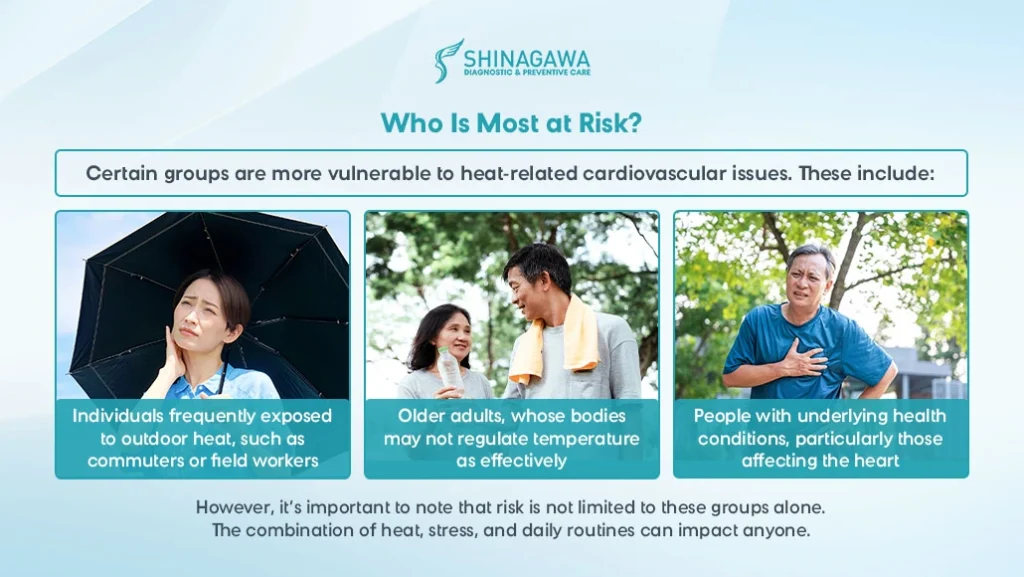
Early Signs to Watch For
Heat-related cardiovascular strain does not always present obvious symptoms. Some early signs may include:
- Dizziness or lightheadedness
- Fatigue or unusual weakness
- Rapid heartbeat or palpitations
- Shortness of breath
These symptoms may seem minor but can signal that the body is struggling to cope with heat. Recognizing them early can help prevent more serious complications.
Preventive Measures to Help Protect You from the Heat
Protecting your heart during hot and humid conditions starts with simple but consistent habits.
Stay properly hydrated, not just with water but also with electrolyte-rich fluids. Avoid prolonged exposure during peak heat hours, typically from late morning to mid-afternoon. Take regular breaks when engaging in physical activity, and monitor your blood pressure and overall condition, especially if you have existing health concerns. and makes the heart
These small yet meaningful adjustments in daily routines can significantly reduce the strain on your heart.
The Role of Nutrition & Dietetics
In combating hot weather, nutrition plays a key role in maintaining heart health. A balanced diet helps support circulation, regulate blood pressure, and maintain energy levels.
Incorporating water-rich fruits and vegetables, such as watermelon, cucumber, and leafy greens, can aid hydration. Reducing intake of salty, processed foods helps prevent fluid imbalance and supports healthy blood pressure levels. Limiting caffeine and alcohol is also important, as both can contribute to dehydration.
A thoughtful approach to diet not only complements hydration but also strengthens the body’s ability to cope with heat.
Why Early Detection Is Important
Many cardiovascular conditions develop quietly, making early detection a critical component of preventive care. Routine health checkups and screenings can help identify underlying risks before they progress into more serious conditions.
Monitoring key indicators such as blood pressure, cholesterol levels, and overall heart function provides valuable insights into your health. In a climate where the body is constantly adapting to environmental stress, these insights become even more important.
Get your Health Checkup at Shinagawa Diagnostic
While Filipinos have learned to adapt to the heat, it does not mean we have to put our health at risk. Beyond simply staying cool, taking care of yourself requires awareness, consistency, and a proactive mindset.
At Shinagawa Diagnostic & Preventive Care, we support patients in taking a more holistic approach to health by combining a balanced lifestyle with the importance of proper nutrition and regular health checkups.
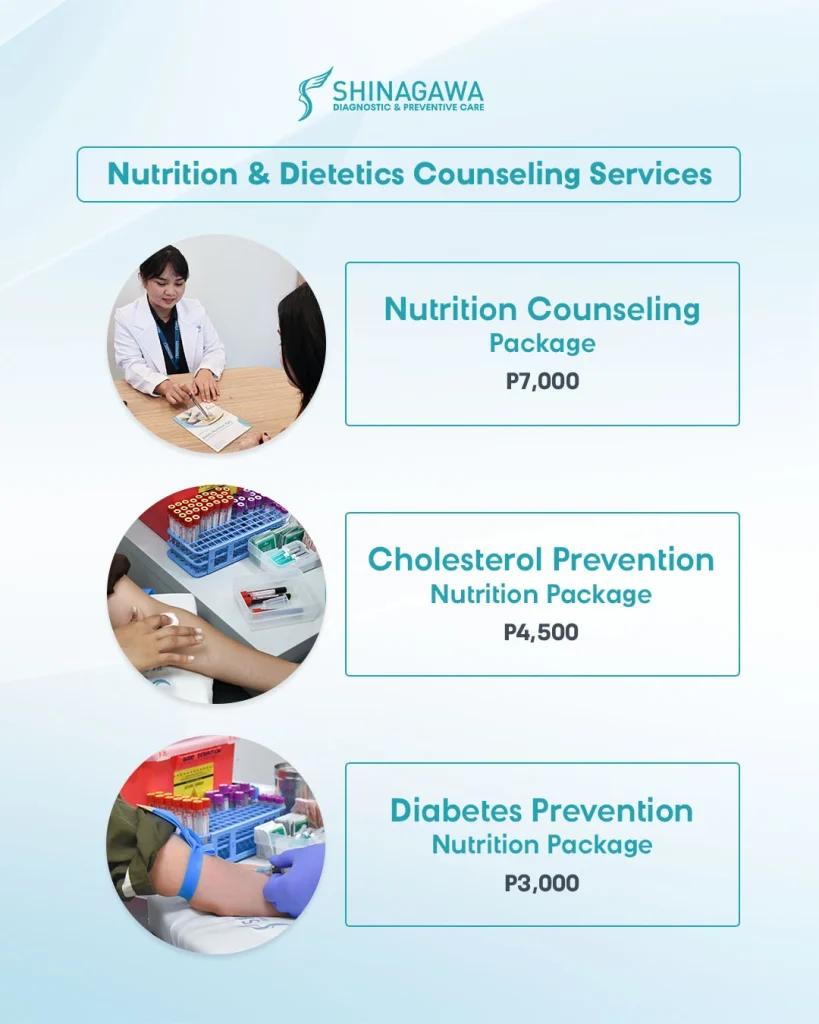
With the help of our Nutrition Counseling Package, we help individuals better understand their health status, identify potential risks, and make informed decisions that support long-term well-being and resilience despite environmental challenges.
For those with specific health concerns, specialized services such as Diabetes and Cholesterol Nutrition Packages provide targeted guidance tailored to manage and reduce risk factors effectively.