

Last updated on June 5th, 2026 at 09:40 am
Running has become one of the biggest lifestyle trends in the Philippines today. Running clubs are multiplying, marathon events are filling up fast, and joggers have become a familiar sight on city roads at nearly every hour of the day — a sign that more Filipinos are making a conscious choice to stay active and take their health seriously.
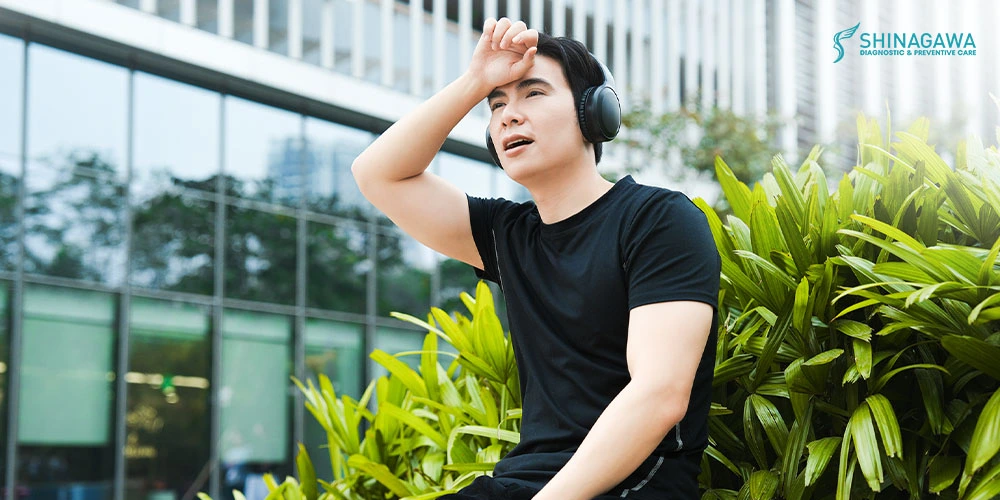
But there is another trend running parallel to all of this, and it is far less welcome: the heat. Philippine summers have grown increasingly punishing, yet many runners continue to train, run, and exercise outdoors despite the harsh conditions. Because sweating is often associated with a “good workout,” some push through the heat believing that more sweat means better results.
That belief is not entirely wrong. While sweating is natural, the problem is that sweat alone is not a reliable signal that the body is coping well. There is a real line between healthy exertion and dangerous heat exposure — and in a country where heat and humidity rarely offer mercy, that line is easier to cross than most people realize.
What Sweating Actually Does for Your Body
Sweating is your body’s natural cooling system. When your core temperature rises — whether from physical activities, warm conditions, stress or even from eating spicy foods — your sweat glands release moisture onto your skin. As that moisture evaporates, it draws heat away from your body, preventing dangerous overheating.
This process is called thermoregulation, and it’s a sign your body is functioning the way it should. The amount you sweat varies from person to person, and it’s influenced by fitness level, genetics, and environment. But the act of sweating itself? It’s healthy, normal, and necessary.
One thing it’s not, though, is a reliable measure of how effective your workout was. Sweating heavily doesn’t mean you burned more fat or worked harder — it often just means it’s hot.
When Heat Becomes the Enemy
The cooling system has limits. When you push hard in extreme heat and humidity — especially during midday in tropical conditions — the body can struggle to keep up, even as sweat continues to pour.
As core temperature climbs beyond what sweating alone can manage, a predictable chain of effects begins: Performance drops first, fatigue sets in faster, perceived effort increases, and coordination can suffer. The same workout that feels manageable in an air-conditioned gym becomes significantly harder outdoors at noon.
If you keep pushing without adjusting, your body can tip into a cycle of fluid and temperature imbalance that progresses through three increasingly serious stages:
- Dehydration — The most common issue. You lose more fluid through sweat than you’re replacing, leading to dizziness, headaches, dry mouth, and weakness.
- Heat Exhaustion — A more serious warning. Symptoms include heavy sweating, nausea, muscle cramps, and marked fatigue. This is your body’s way of saying it’s overwhelmed.
- Heat Stroke — A medical emergency. At this stage, the body’s cooling system fails. Symptoms include confusion, fainting, a rapid heartbeat, and a dangerously high body temperature. This requires immediate medical attention.
Critically, none of these conditions are limited to elite athletes or extreme workouts. They can happen to anyone doing moderate activity when heat and humidity are high — which, in the Philippines, is most of the year.
Who’s Most at Risk
People exercise in extreme heat for many reasons, whether due to lifestyle, environment, fitness culture, or the belief that sweating more means exercising harder. However, hot conditions can place significant strain on the body, especially for individuals with certain health risks.
If any of the following apply to you, it’s important to take extra precautions when exercising in the heat:
- Cardiovascular conditions — hypertension, coronary artery disease, or a history of heart attack or stroke
- Metabolic conditions — diabetes, obesity, or high cholesterol
- Low fitness levels — the less conditioned your body is, the harder it works in the heat
- Certain medications — diuretics and some blood pressure medications can affect your hydration balance and reduce your body’s heat tolerance

If you’re unsure whether your health status affects your heat tolerance, a cardiovascular screening can give you a clearer picture before problems arise.
Get Your Health Checkup at Shinagawa Diagnostic & Preventive Care
Sweating is an essential and healthy body function, and exercise remains an important part of overall wellness. However, excessive heat exposure during physical activity can place unnecessary strain on the body, particularly when underlying health risks are present.
Regular health screening, proper hydration, and safe exercise habits all play a role in protecting cardiovascular health while maintaining an active lifestyle. At Shinagawa Diagnostic & Preventive Care, we aim to support individuals who want to stay active while being more mindful of their health and physical limits.
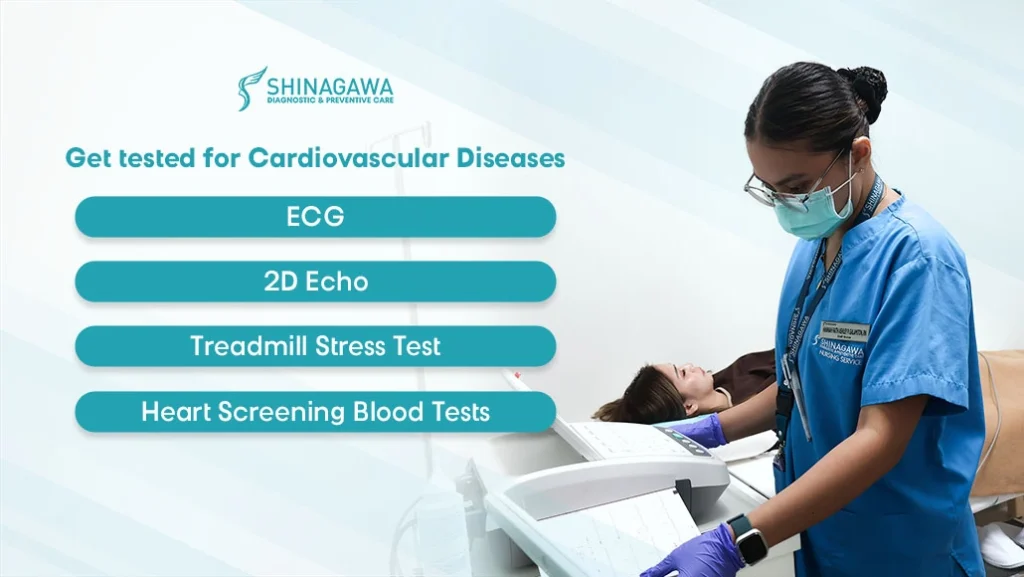
Our health packages are designed to support early detection and prevention through comprehensive cardiovascular assessments, including ECG, 2D echocardiogram, treadmill stress test, and essential blood tests. These services help you monitor your heart health, identify potential risks, and make informed decisions so you can stay in control of your well-being while continuing the lifestyle you enjoy.