
Last updated on October 13th, 2026 at 02:39 pm

Think prostate cancer is strictly a problem for your grandfather’s generation? Think again. While it remains one of the most common cancers among older men, it’s increasingly making surprise appearances in men in their 40s and early 50s often with little to no early warning signs. Waiting for symptoms to show up before taking action is a risk you shouldn’t take.

Here’s what every man (and the people who care about them) needs to know about prostate health, risk factors, and life-saving health screening.

What Is Prostate Cancer?

Prostate cancer occurs when normal cells in the prostate gland a small, walnut-sized gland located just below the bladder in men begin to grow out of control. The prostate’s primary function is to produce seminal fluid, which nourishes and transports sperm.

Unlike many other cancers, prostate cancer often develops slowly and may remain confined to the gland for years without causing noticeable harm. However, certain aggressive types can grow rapidly and spread to surrounding organs or bones if left unchecked.

Is Age the Only Risk Factor for Prostate Cancer?

It’s undeniable that age plays a significant role in prostate cancer development. The average age of diagnosis is around 66, with most cases appearing at age 55. This explains why much of the awareness messaging and screening recommendations are geared toward older adults.

However, this heavy focus on age has unintentionally contributed to a dangerous misconception that those who are younger have nothing to worry about. 

While less common, there have been numerous cases of younger men being diagnosed, often with more aggressive, fast-growing forms of the disease because of this, it’s crucial to understand that prostate cancer can strike at any age.

Family History Matters

Why Family History Matters in Prostate Cancer?

Men under 50 may not be part of the traditional risk group by age, but that doesn’t mean they’re not prone, especially if they have a family history of prostate cancer. If your father, brother, or uncle has been diagnosed, your risk increases significantly.

Prostate cancer in its early stages often has no symptoms, which is why many men don’t know they have it until it has progressed. However, being aware of potential signs  is crucial, especially as the cancer advances. Here’s what to watch for:

Early-stage symptoms (if any):

  • Difficulty starting or stopping urination
  • Weak or interrupted urine flow
  • Frequent urination, especially at night
  • Pain or burning during urination
  • Blood in urine or semen

Advanced-stage symptoms:

  • Pain in the back, hips, or pelvis
  • Erectile dysfunction
  • Unexplained weight loss
  • Fatigue
  • Swelling in the legs or pelvic area

Annual checkups can provide vital information about your risk level and offer early clues before symptoms become apparent. While there’s no guaranteed way to prevent prostate cancer, making healthy lifestyle choices and monitoring your health regularly can reduce your risk and give you more control.

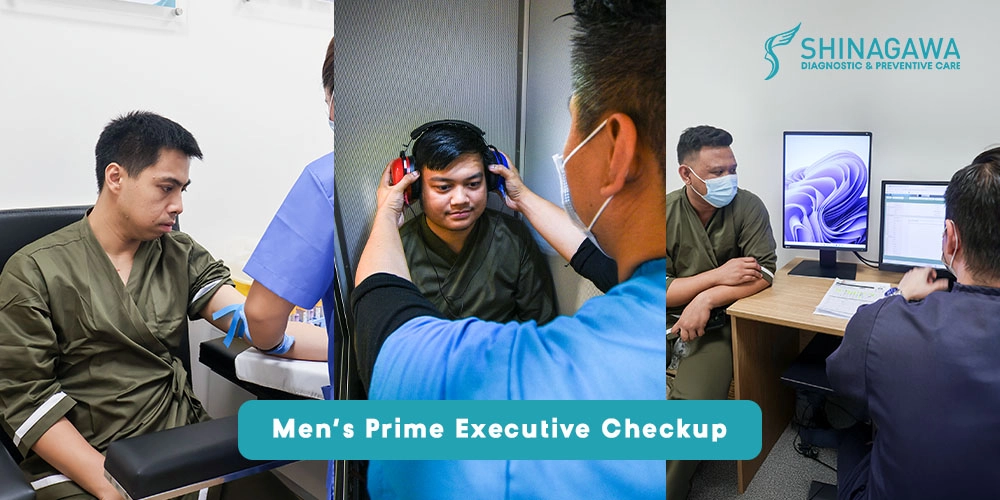
Mens Prime Executive Checkup

Shinagawa Diagnostic & Preventive Care understands that men have unique health concerns that require a more targeted approach. The Men’s Prime Executive Checkup is designed to do just that by offering a comprehensive set of tests specifically geared toward detecting conditions like prostate cancer early.

This package includes the PSA Cancer Screening Blood Test, which measures prostate-specific antigen levels in the blood, a key marker for potential prostate issues. It also includes a Whole Abdominal Ultrasound, which can detect abnormalities or tumors that may indicate the presence of prostate cancer.

With prostate cancer being the third most common type of cancer among Filipino men, it’s never too early or too late to start taking your health seriously.

Book an appointment now