


When a man is diagnosed with prostate cancer, his focus understandably narrows. There are treatment decisions to make, side effects to manage, and follow-up appointments to keep. What rarely comes up in those conversations is the risk of a second, entirely different cancer forming elsewhere in the body.
Multiple studies have shown that men with prostate cancer face a significantly elevated risk of also developing colorectal cancer, and vice versa. These are the two most commonly diagnosed cancers in men worldwide, and they are more closely intertwined than most people realize.
Understanding the connection between these two diseases isn’t cause for alarm — it is, however, an important reason to be vigilant.
What Is the Link Between Prostate Cancer and Colorectal Cancer?
Researchers have observed that men with prostate cancer are more likely to be diagnosed with colorectal cancer compared to the general population. Although one cancer does not directly cause the other, the two conditions appear to share several risk factors and biological pathways.
Some studies suggest that the increased risk may be related to common influences such as age, genetics, lifestyle habits, chronic inflammation, and hormonal factors. Additionally, men who are closely monitored after a prostate cancer diagnosis may be more likely to undergo screenings that detect colorectal cancer.
Why Do Men with Prostate Cancer Have a Higher Risk of Colorectal Cancer?
Shared Risk Factors
Both cancers become more common with age and are associated with factors such as obesity, physical inactivity, smoking, and diets high in processed meats and low in fiber.
Genetic Predisposition
Certain inherited genetic mutations and family cancer syndromes may increase the risk of developing multiple types of cancer, including both prostate and colorectal cancer.
Hormonal and Biological Factors
Researchers continue to investigate how hormones, inflammation, and cellular growth pathways may contribute to the development of both cancers. These shared mechanisms may partially explain why some men are more susceptible to both diseases.
Increased Medical Surveillance
Men diagnosed with prostate cancer often receive regular medical follow-ups, which can lead to more frequent colorectal screenings and the detection of previously undiagnosed colorectal abnormalities.
The Importance of Early Detection
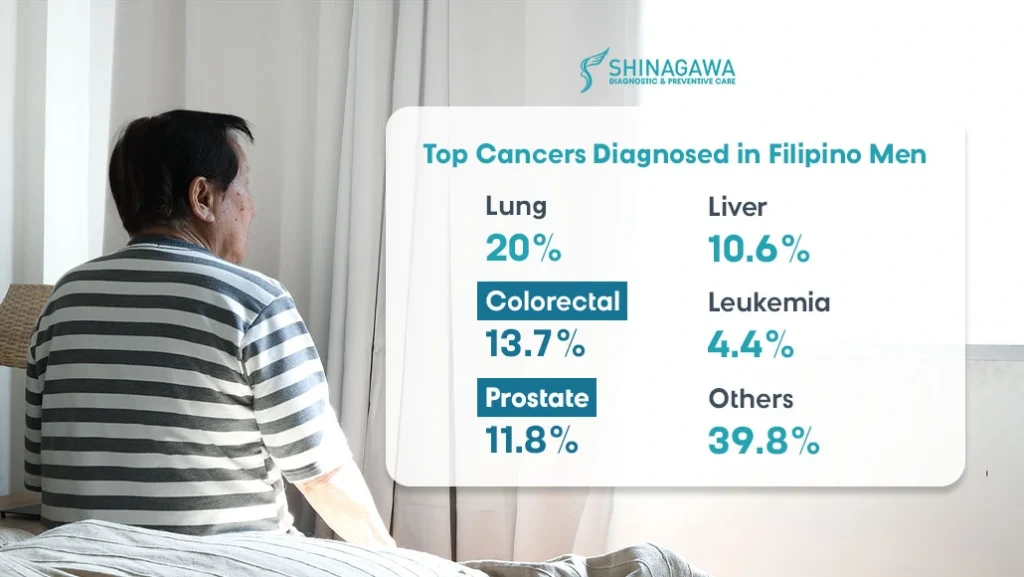
Because prostate cancer survivors may face an elevated risk of colorectal cancer, staying up to date with recommended screenings is essential. Early-stage cancers often develop without noticeable symptoms, making routine screening one of the most effective tools for improving outcomes.
Depending on age, family history, and individual risk factors, healthcare providers may recommend:
- Prostate-specific antigen (PSA) testing and prostate examinations
- Colonoscopy
- Fecal Occult Blood Test (FOBT)
- Other colorectal cancer screening methods
Detecting cancer at an earlier stage often allows for more treatment options and significantly improves survival rates.
Prevention Strategies for Both Cancers
While genetics cannot be changed, the lifestyle and environmental factors that drive both cancers are largely modifiable. Men (whether or not they have a cancer history) can meaningfully reduce their risk through the following strategies:
- Maintaining a healthy weight
- Engaging in regular physical activity
- Eating a diet rich in fruits, vegetables, and whole grains
- Limiting processed and red meat consumption
- Avoiding tobacco use and limiting alcohol intake
- Following recommended cancer screening schedules
Get your Health Checkup at Shinagawa Diagnostic

For those with a history of prostate cancer, Shinagawa Diagnostic offers a Prostate-Specific Antigen (PSA) Test — a simple but powerful tool for monitoring prostate health and catching concerns before they have the chance to grow into something more serious. Paired with a thorough health checkup, it gives you and your doctor a reliable foundation for making informed health decisions.
For prostate cancer survivors who want to know whether colorectal cancer may be a growing concern, the VIP Shinagawa Dock provides a comprehensive, in-depth evaluation of your overall health — including services such as colonoscopy — so nothing goes undetected and no risk goes unaddressed.
Two cancers can share a body. But with the right screening plan, they don’t have to catch you off guard. Book your checkup at Shinagawa Diagnostic today and take control of what comes next.