

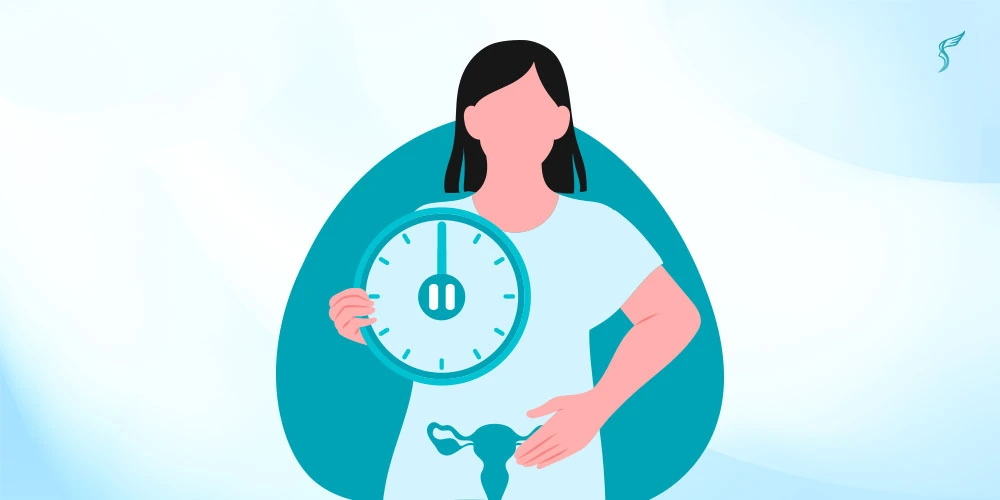
Perimenopause and menopause are natural stages in a woman’s life, marking the transition toward the end of reproductive years. During this time, the body undergoes significant hormonal changes that can affect overall health, metabolism, and well-being.
While these changes are normal, they can also increase the risk of certain health conditions—making proactive care, especially through proper nutrition, more important than ever.
Understanding Perimenopause and Menopause
Perimenopause is the phase leading up to menopause, during which hormone levels—particularly estrogen—begin to fluctuate. This stage can last for several years and is often marked by irregular menstrual cycles.
Menopause, on the other hand, is officially diagnosed after 12 consecutive months without a menstrual period. Together, these stages signal the end of a woman’s reproductive years and the beginning of a new phase of health needs.
Hormonal Changes, Symptoms, and Health Risks
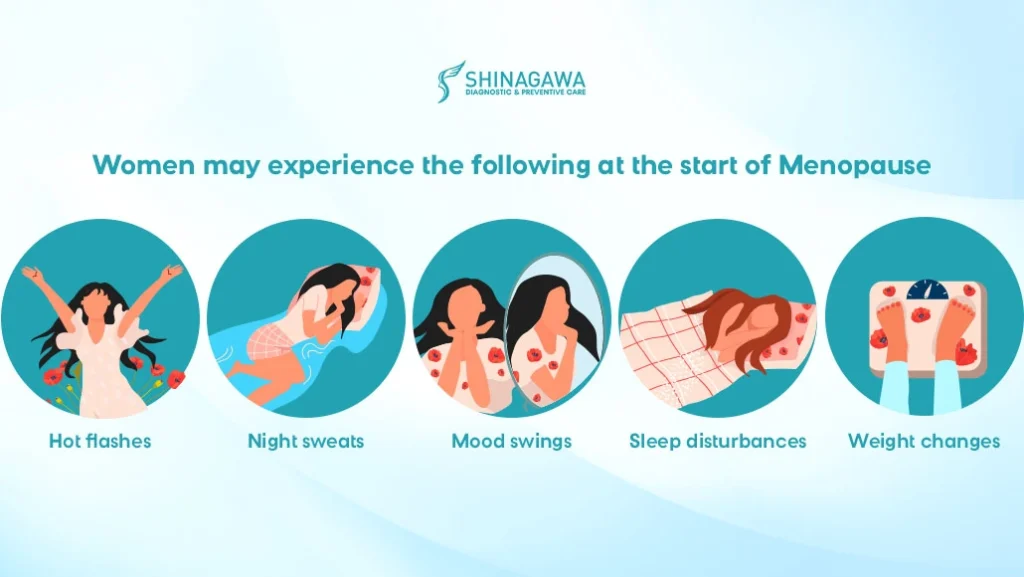
As estrogen levels decline, the body experiences a range of changes. Common symptoms include:
- Hot flashes
- Night sweats
- Mood swings
- Sleep disturbances
- Weight gain
Beyond these symptoms, there are also long-term health considerations. Women may face an increased risk of osteoporosis due to reduced bone density, as well as cardiovascular concerns linked to changes in cholesterol levels and metabolism.
These shifts highlight the importance of closely monitoring health during this stage.
Why Proper Nutrition Matters
Proper nutrition plays a vital role in managing symptoms and reducing health risks associated with perimenopause and menopause.
A balanced diet supports hormonal balance, helps maintain a healthy weight, and provides essential nutrients that protect bone and heart health. More importantly, good nutrition complements regular health screenings by helping detect potential deficiencies or risk factors early.
When combined with preventive care, it empowers women to take a proactive approach—supporting early detection and reducing the likelihood of complications.
Key Nutrients to Focus On
Focusing on the right nutrients can make a meaningful difference during this transition. Calcium and vitamin D are essential for maintaining bone strength and reducing the risk of osteoporosis. Omega-3 fatty acids support heart health and may help manage inflammation. B vitamins contribute to energy production and help regulate mood, while protein supports muscle maintenance as metabolism slows. Additionally, fiber aids digestion and helps regulate cholesterol levels, promoting overall cardiovascular health.
By prioritizing proper nutrition, women can better navigate the changes of perimenopause and menopause with strength, balance, and long-term wellness in mind.
Get your Health Checkup at Shinagawa Diagnostic
Receiving nutritional advice plays an important part during perimenopause and menopause. It provides guidance that aligns with a woman’s evolving health needs. Rather than relying on general advice, it helps translate nutritional recommendations into practical, targeted steps.
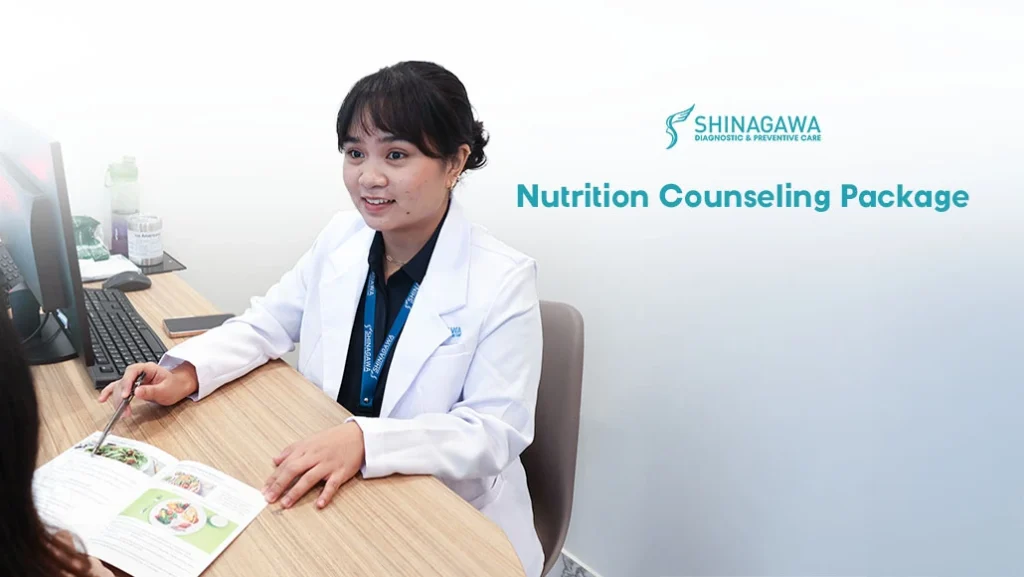
At Shinagawa Diagnostic, our Nutrition Counseling Package offers a comprehensive approach by combining medical assessment and personalized nutrition guidance. This includes a basic physical exam, blood tests, nutrition consultation, a customized meal plan, and educational materials—ensuring that patients receive both the insights and tools needed to manage their health proactively.
For women who also want to prioritize reproductive health during this transition, the Women’s Prime Executive Checkup provides essential breast and cervical screenings—supporting early detection and preventive care as part of a well-rounded health strategy.