


Burping is usually normal. It often happens after eating and is commonly caused by diet, lifestyle habits, indigestion, or acid reflux. Most of the time, it’s harmless and nothing to worry about.
However, frequent or unusual burping—especially when paired with other symptoms—may need medical attention. While rare, it can sometimes be linked to more serious conditions, including certain cancers.
Knowing when a common symptom feels different or persistent can help you decide when to seek proper evaluation.
Is Frequent Burping Always Something Serious?
Burping, or belching, is a normal way for your body to release excess air from the stomach. It often happens when you eat too fast, drink carbonated beverages or talk while eating.
In the Philippines, where late-night meals, spicy pulutan, and soda are part of everyday life, simpleng “kabag” is very common and is usually harmless.
Excessive burping becomes more concerning when it changes suddenly, happens even without eating, or appears together with other symptoms like weight loss or abdominal pain. That is when it stops being just a lifestyle issue and becomes a possible sign of an underlying digestive problem that needs proper evaluation.
Common Causes of Excessive Burping
Most people who burp a lot do not have cancer. In many cases, the cause is benign and treatable.
- Diet and lifestyle habits
Fast eating, heavy late-night dinners, and drinking soft drinks or beer can lead to aerophagia—swallowing too much air—causing gas to build up and come back as burps. Spicy food, oily dishes, and dipping sauces (vinegar, soy sauce, chili) can also irritate the stomach and trigger burping and heartburn.
- GERD and LPR (acid reflux)
Gastroesophageal reflux disease (GERD) and laryngopharyngeal reflux (LPR) happen when acid flows back from the stomach into the esophagus or throat. Symptoms can include frequent burping, a burning sensation in the chest, a sour or acidic taste in the mouth, chronic cough, or a persistent feeling of something stuck in the throat.
- H. pylori infection and dyspepsia
Helicobacter pylori (H. pylori) is a bacterium that infects the stomach lining. It can cause gastritis, ulcers, dyspepsia (locally known as “kabag” or bloating), and yes, more frequent burping. Long-term, untreated H. pylori is also a known risk factor for stomach (gastric) cancer.
When Can Burping Be Linked to Cancer?
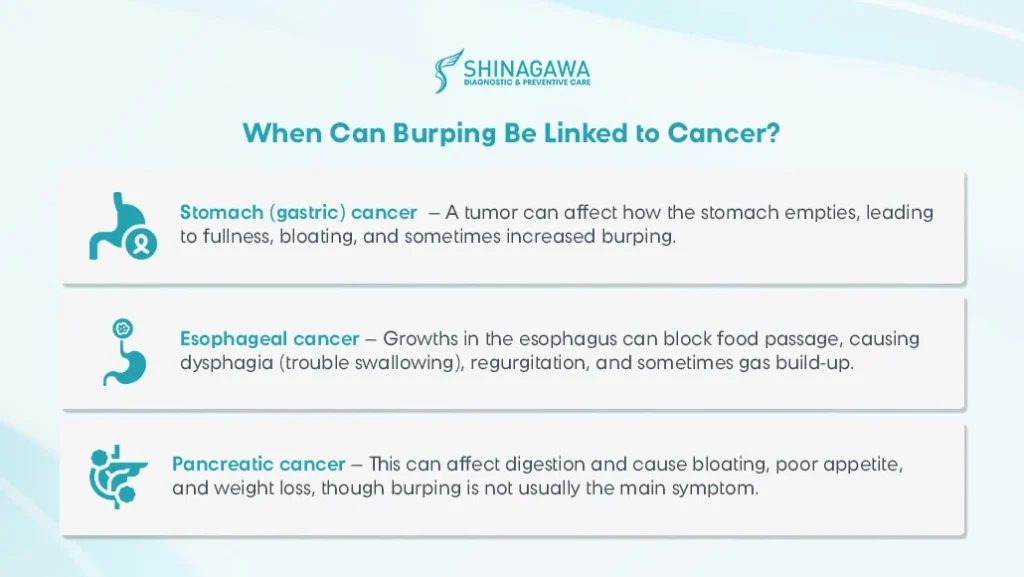
On its own, burping is rarely a sign of cancer. However, certain cancers affecting the digestive system can cause burping as a secondary symptom when they obstruct or irritate parts of the gastrointestinal tract.
The main cancers to be aware of are:
- Stomach (gastric) cancer – A tumor can affect how the stomach empties, leading to fullness, bloating, and sometimes increased burping.
- Esophageal cancer – Growths in the esophagus can block food passage, causing dysphagia (trouble swallowing), regurgitation, and sometimes gas build-up.
- Pancreatic cancer – This can affect digestion and cause bloating, poor appetite, and weight loss, though burping is not usually the main symptom.
If you notice frequent burping together with any of the symptoms below, it is wise to see a doctor as soon as possible:
- Dysphagia – Feeling that food or water is getting stuck in the chest or throat.
- Early satiety – Getting full after just a few bites, especially if new or worsening.
- Unexplained weight loss
- Melena – Black, tarry stools, which may signal bleeding inside the upper digestive tract.
- Persistent upper abdominal pain or chest discomfort
- Jaundice – Yellowing of the skin or eyes, which can be linked to liver or pancreatic issues.
How Doctors Investigate Persistent Burping
The initial step in the diagnostic process typically involves a consultation with an internist or gastroenterologist, during which a detailed assessment of the patient’s symptoms, dietary habits, lifestyle factors, and family medical history is conducted to determine the necessity of further procedures.
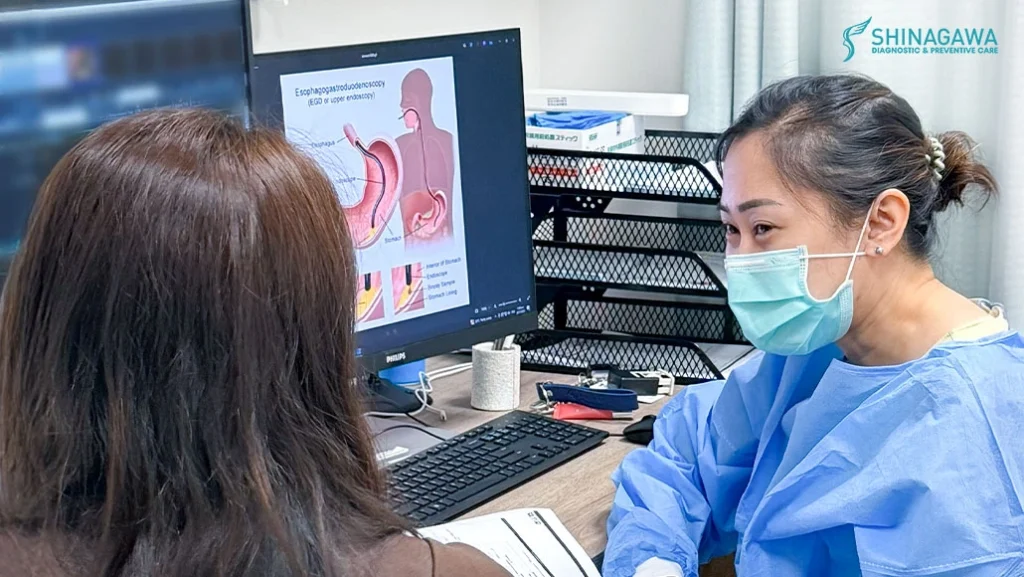
One of the most important tests is the upper endoscopy (also called EGD or gastroscopy). During this procedure, a thin, flexible tube with a camera is gently passed through the mouth to examine the esophagus, stomach, and the first part of the small intestine. This allows doctors to detect conditions such as gastritis, ulcers, H. pylori infection, polyps, or tumors, and also provides the opportunity to take biopsies if necessary for further analysis.
Simple Ways to Reduce Burping and Protect Your Digestive Health
If your doctor confirms that your burping is not due to a serious condition, lifestyle changes can still make a big difference:
- Eat more slowly and chew food well.
- Avoid lying down immediately after eating.
- Limit soft drinks, beer, and very spicy or fatty dishes.
- Maintain a healthy weight to reduce pressure on your stomach.
If you have H. pylori, complete the full course of antibiotics and acid-reducing medicines as prescribed.
These steps not only help control burping but also support long-term digestive health and may lower your risk of future complications.
People Also Ask: Conversational FAQs
Not usually. Stomach cancer almost always comes with other symptoms, such as early satiety, weight loss, persistent stomach pain, or black stools. If your only symptom is burping, cancer is unlikely—but if you are worried, it is still best to get checked.
GERD often improves with antacids, lifestyle changes, and avoiding trigger foods. If your symptoms do not improve, or if you develop dysphagia, melena, or “biglang pagpayat”, you should see a gastroenterologist.
Yes. H. pylori can inflame the stomach lining, leading to dyspepsia, gas, bloating, and frequent burping. A simple test and treatment can usually clear the infection and relieve symptoms.
Not everyone who burps needs an endoscopy. However, if you are over 40, have long-standing reflux, or notice red flag symptoms, your doctor may recommend an upper endoscopy to be safe.
Get your health checkup at Shinagawa Diagnostic
Burping a lot is usually a sign of how and what we eat—not necessarily cancer—but it can sometimes be the first clue that something deeper is happening in the digestive system. Knowing when to relax and when to act is essential for your peace of mind and long-term health.
Shinagawa Diagnostic & Preventive Care integrates Japanese medical standards with a team of expertly trained physicians, emphasizing early detection to help individuals identify potential digestive health issues.
Through advanced endoscopy services included in comprehensive health packages such as the VIP Shinagawa Dock, we ensure high-quality, precise, and thorough examinations to support optimal digestive wellness.