


Valentine’s Day is filled with chocolates, sweet treats, and romantic dinners that make the celebration special.
But while enjoying them is part of the fun, too much sugar can raise blood sugar levels — especially for those at risk of diabetes or prediabetes.
Why Blood Sugar Levels Tend to Spike During Valentine’s
It’s no surprise that blood sugar levels often rise during the love month. With the increased demand and availability of sweets such as chocolates, cakes, pastries, and sugary beverages, it becomes easier to consume more sugar than usual without realizing it.
Social gatherings and celebratory meals also play a role, as dining out or attending events often leads to larger portions and more indulgent food choices.
Additionally, stress, packed schedules, and irregular meal timing during this period can disrupt normal eating patterns, which may further affect glucose regulation.
Understanding Normal Sugar Levels & When to Get Checked
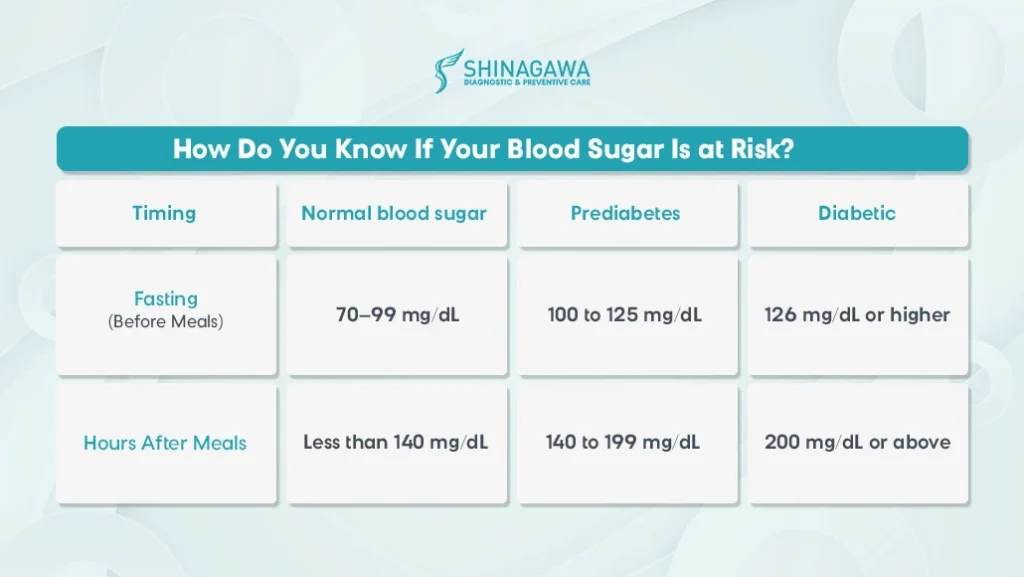
Understanding your blood sugar numbers is an important step toward prevention and early intervention.
Normal fasting blood sugar typically ranges from 70 to 99 mg/dL, while post-meal levels taken two hours after eating should ideally remain below 140 mg/dL.
Prediabetes may be indicated by fasting levels between 100 and 125 mg/dL or post-meal readings between 140 and 199 mg/dL. Diabetes is generally diagnosed when fasting blood sugar reaches 126 mg/dL or higher, or when post-meal levels reach 200 mg/dL or above.
Scheduling a health check is especially important if you notice persistently high readings or experience symptoms such as:
- Frequent thirst
- Fatigue
- Blurred vision
- Frequent urination.
Individuals with a family history of diabetes or previous prediabetic results should also consider regular monitoring, as early detection allows for timely lifestyle adjustments and medical guidance.
The Role of Nutrition & Dietetics in Early Prevention

Prevention begins with mindful eating habits and balanced lifestyle choices. Moderating sweet intake, practicing portion control, and maintaining consistent meal timing can help stabilize blood sugar levels even during festive periods.
A balanced diet that includes fiber, protein, and healthy fats alongside carbohydrates supports more stable glucose responses.
Nutritionists and dietitians can provide personalized guidance tailored to individual needs, helping patients develop realistic meal plans and integrate healthier habits into their daily routines without sacrificing enjoyment during special occasions.
Get Your Checkup at Shinagawa Diagnostic
This Valentine’s, show yourself some love by prioritizing your health. Awareness and moderation are key, and professional guidance can make it easier to enjoy the season without compromising your well-being.
Shinagawa Diagnostic offers Nutrition & Dietetics services that can be combined with executive health checkups like the VIP Shinagawa Dock. By scheduling a checkup or consulting with nutrition experts, you can take proactive steps to manage your blood sugar and enjoy the sweet moments of the season.