


The holiday season in the Philippines is a time of joy, celebration, and, naturally, food. Traditions like Noche Buena and Media Noche bring families together to enjoy lots of meals, featuring a wide variety of dishes, desserts, and drinks.
While these gatherings are a cherished part of Filipino culture, the pleasure that comes with them does have an impact on our health. Sudden sugar spikes, digestive discomfort, and added strain on the heart and liver are just a few examples of how festive eating can quietly worsen existing conditions or contribute to new ones.
Celebrating is a natural part of the season, but it’s equally important to understand how these holiday habits can trigger or aggravate certain health issues.
How Overeating and Rich Foods Affect the Body
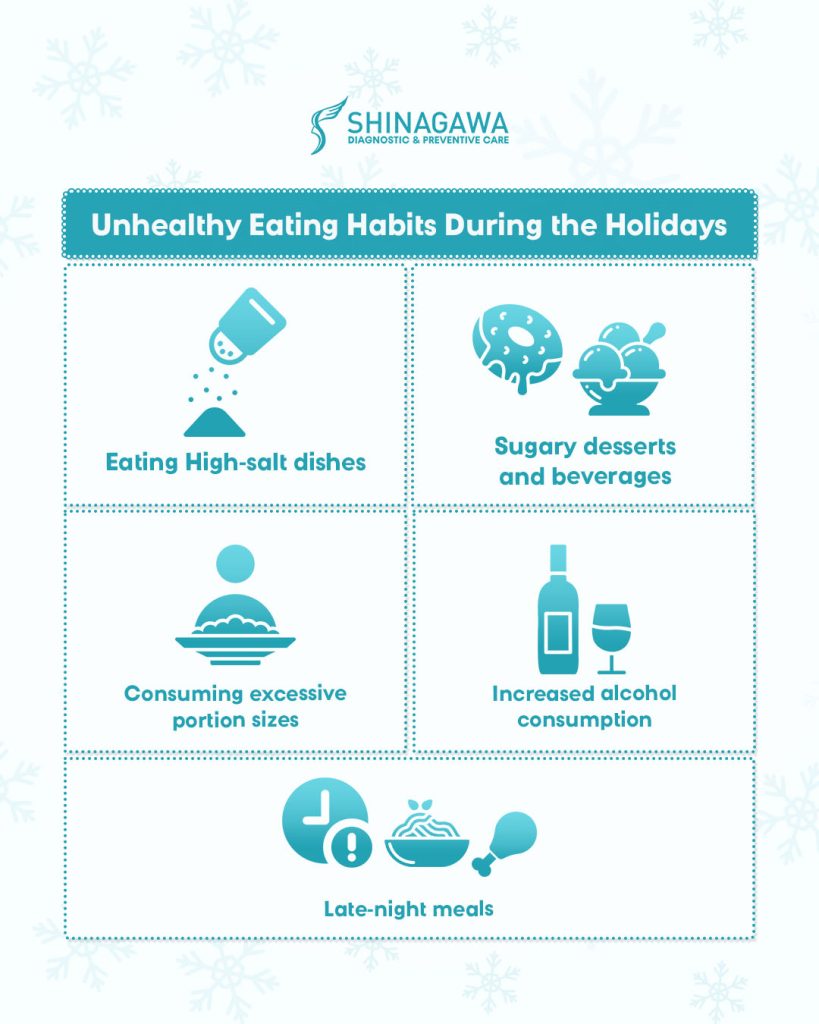
Many people unknowingly place significant stress on their bodies during the holidays. Large, rich meals can overwhelm the digestive system, leading to discomfort and potential long-term effects if these habits are repeated frequently.
Overeating, even over a few days, can spike blood pressure, increase cholesterol, and contribute to sudden weight gain. Foods that are high in sugar, such as desserts and sweetened beverages, can rapidly elevate blood sugar levels, posing challenges for those with diabetes or prediabetes and contributing to metabolic strain.
Holiday meals often feature foods rich in fats, whether from creamy dishes, fried foods, or fatty meats. Excessive intake of these foods can affect heart health by raising cholesterol and triglyceride levels, while also putting stress on the liver and other organs involved in metabolism.
Alcohol consumption, which tends to increase during celebrations, further compounds these risks, impacting liver function, blood pressure, and the body’s ability to metabolize nutrients efficiently. Irregular meal patterns, such as skipping breakfast or lunch and then consuming a large dinner, can also disrupt metabolic balance and digestive rhythm, adding to the strain on the body.
Potential Health Consequences
While these habits make the celebrations festive and fun, they can have a cumulative effect on our overall well-being.
Blood sugar levels can fluctuate rapidly, prompting the body to produce higher amounts of insulin, which over time may contribute to insulin resistance and increase the risk of developing type 2 diabetes. These fluctuations also promote fat storage, inflammation, and metabolic strain, which can affect both energy levels and long-term health outcomes.
Cardiovascular health may also be impacted. Sudden increases in blood fats and metabolic stress can temporarily raise blood pressure and strain the heart, sometimes triggering irregular heart rhythms in susceptible individuals.
Digestive and metabolic systems are affected as well. The body may experience bloating, acid reflux, or slowed digestion, which can reduce nutrient absorption and impact overall gut health. Disruptions in metabolic rhythms can also influence sleep quality, hormone regulation, and energy balance, compounding stress on the body during this period.
Over time, repeated stress on metabolic, cardiovascular, and digestive systems can increase the risk of chronic conditions such as obesity, fatty liver disease, heart disease, and diabetes. Even short-term strain can reveal underlying vulnerabilities, making early awareness and monitoring important for maintaining long-term health.
Get Your Health Checkup at Shinagawa Diagnostic
Enjoying the holidays doesn’t mean you have to compromise your health. Once the festivities wind down, it’s important to get your health checked—especially if you consumed more than usual or noticed concerning symptoms.
A post-holiday checkup helps identify whether new issues have emerged or if existing conditions have worsened due to seasonal eating habits.
At Shinagawa Diagnostic, we provide comprehensive health checkup packages designed to evaluate your overall well-being. From blood panels to imaging tests, our services help you understand your health status clearly and make informed decisions moving forward.